11-02-2026



|
Getting your Trinity Audio player ready...
|
TL;DR: At DigiCon 2026, debate teams from Ateneo de Manila University and University of the Philippines argued whether artificial intelligence (AI) has already surpassed human intelligence, using marketing as the test case. Ateneo said AI already outperforms humans, while UP said that faster and cheaper isn’t smarter and that humans still make the final call.
Key Takeaways:
- Tenet reported that 77,999 tech jobs were cut in the first half of 2025 due to AI adoption, and that AI and other labor shifts could replace 92 million jobs by 2030.
- At DigiCon 2026, Ateneo and UP debated in the Asian Parliamentary format on whether AI can surpass human intelligence, with marketing as the test case.
- Ateneo Debate Society argued that AI already outperforms humans in business, college entrance exams, and bar exams, and that human involvement is only for supervision.
- UP Debate Society argued AI is getting faster and cheaper, not smarter, because humans design the tests and decide what counts as good output.
- The debate split on four questions: whether the need for humans means AI hasn’t won, whether AI progress will continue, what constitutes good marketing, and how high the bar is for AI to beat humans.
For nearly four years, one headline has followed us around: AI is coming for your job. This caused fear faster than the technology does.
Corporate numbers seem to back it up: in the first half of 2025 alone, Tenet found that 77,999 tech jobs were cut due to AI adoption, and 92 million jobs could still be replaced by AI and other labor shifts by 2030.
Come to think of it, layoffs have been happening left and right under the guise of redundancy. Could AI be the reason? But that’s just about jobs, right? Won’t AI be replacing us?
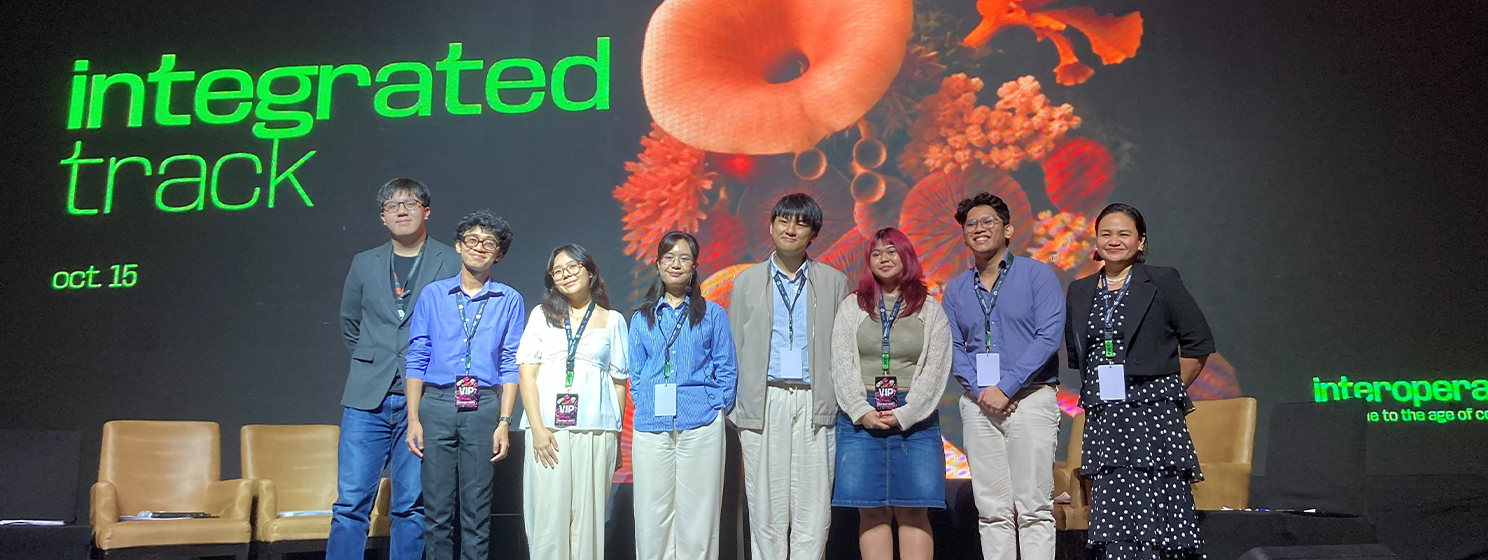
This was the question posed on stage at DigiCoin 2026, where students from two of the Philippines’ top universities went head-to-head, debating whether AI can surpass human intelligence and whether it will still need us in the future—especially in marketing.
The structure: AI vs Ateneo AI Debate
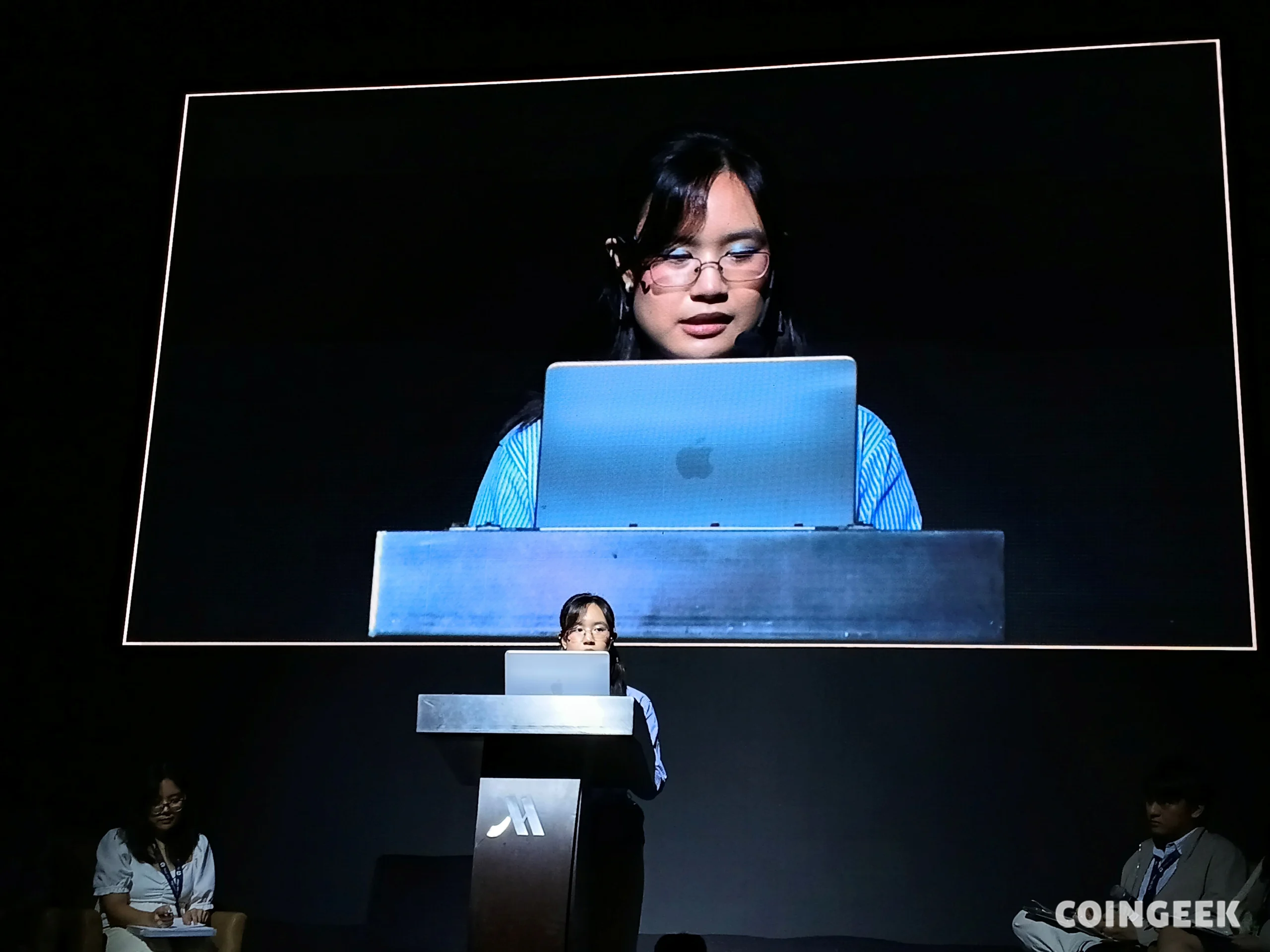
Moderating the debate was Alyssa Lorraine David from De La Salle University.
The debate, as explained by David, will follow the Asian Parliamentary Debate Format, wherein the two parties will present structured affirmative and negative cases.
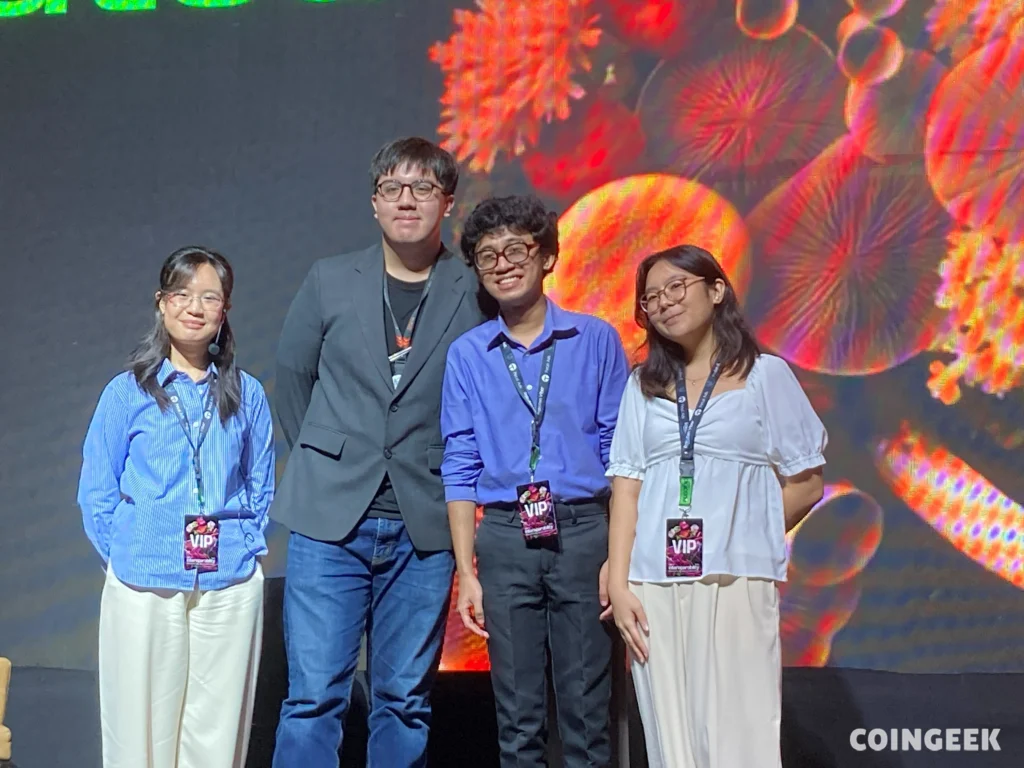
The members of the Government were represented by Ateneo Debate Society, led by Prime Minister Cara Danielle Reyes, Deputy Prime Minister Willben Sebastian Ong, and Government Whip Pio Raphael Ventura. Their position: AI is already more intelligent than humans.
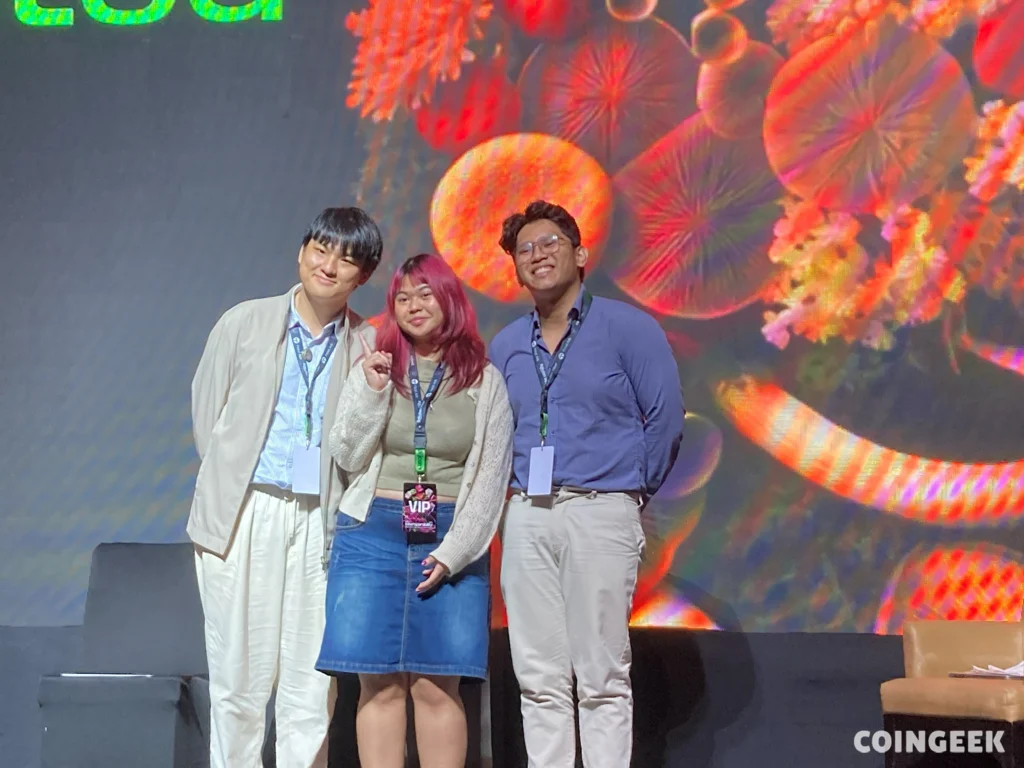
Then, representing the Opposition, was the UP Debate Society, led by Leader of the Opposition Rafael Carasig, Deputy Leader of the Opposition Ramya Espiritu, and Opposition Whip Hugh Mejos. Their position: AI will not surpass human intelligence.
Four disagreements ran through the whole debate:
- Does needing humans mean AI hasn’t won? The Government said that human involvement is merely supervision, while the Opposition said human judgment is the very benchmark.
- Will AI trend progress? The Government pointed to the long-term trend in AI. The Opposition pointed to diminishing returns, shifting incentives, and political backlash due to AI.
- What is good marketing? For the Government, it is based on data, speed, and persuasion at scale. For the Opposition, it is based on emotion, creativity, and authenticity.
- How high is the bar that AI can beat humans? The Opposition argued that the Government had to show AI beats humans across the full range of marketing judgment, not just in certain tasks. At the same time, the Government argued that the status quo had already proved much of the Motion.
Ateneo Debate Society: AI has already surpassed humans in many aspects
AI has already been embedded in every single sector of society. As Reyes explained, we can already see AI winning in business meetings, college entrance and bar law exams, and, more importantly, where the money is.
Prime Minister Reyes stated that AI has already surpassed human intelligence and that the technology’s future will be even more capable than it is today.
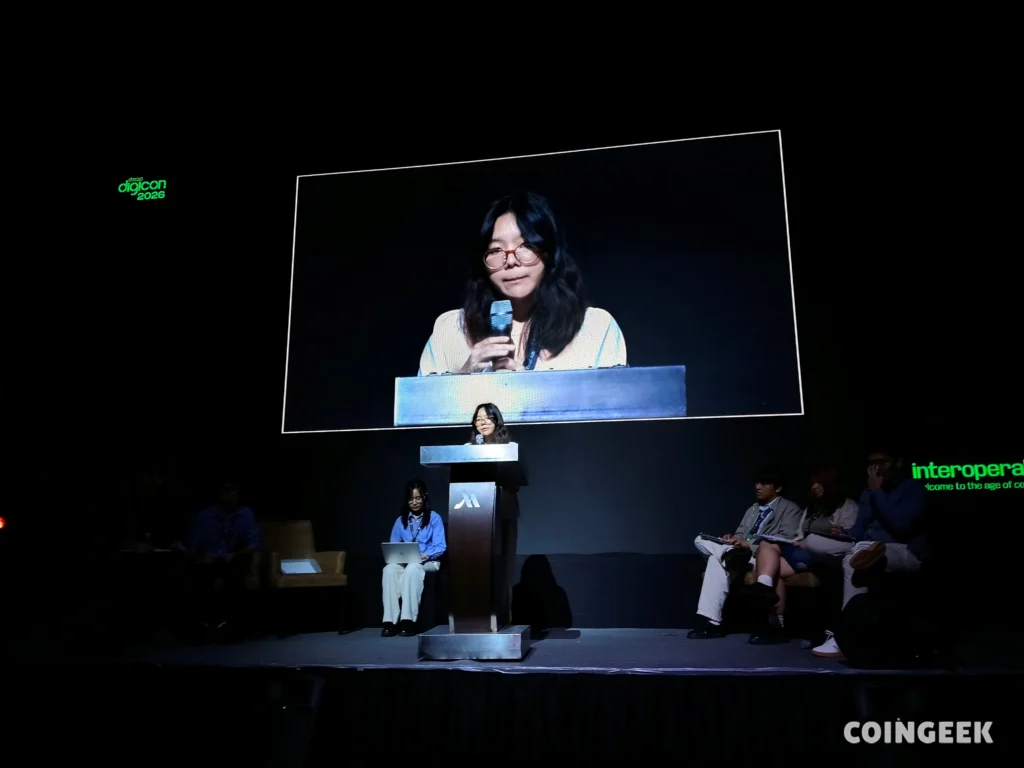
According to her, the Government’s argument rested on three pillars:
- AI no longer needs humans to improve.
- AI training is becoming more autonomous.
- The “human touch” is overrated, or at least replicable.
“Like the way that physical machines have surpassed our physical capabilities, intellectually, AI will do the same,” Reyes said. “Inherently, what you have to believe is an objective truth. Models like Claude are already much smarter and much more efficient than the average person.”
Supporting Reyes’s view, Deputy Prime Minister Ong agreed that AI is scaling much faster than we anticipated.
In his telling, even when human beings are excellent, we still often make mistakes. As for decision-making and evaluation, he argued that, due to differences in generation or class, marketers may not fully understand what individuals from different classes or generations want. In contrast, AI can reconcile these differences because it’s not biased.
Ong discussed how society often transitions from rejecting innovations and technologies to eventually accepting them.
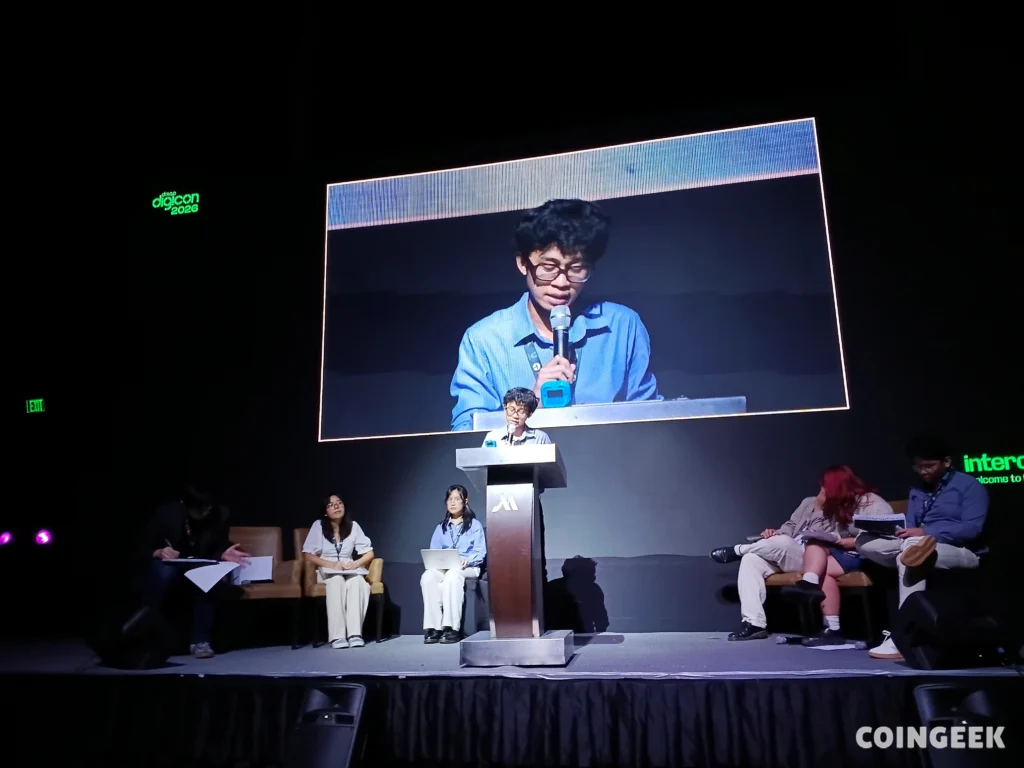
“Look at music. Bob Dylan, back then, was rejected for moving electric,” he said. “Things like records, like autotune—all these sets of technology were initially seen as bad things and were not preferred. But over the course of history have been corrected and have been deemed as preferable towards individuals.”
“AI, even if you believe the human touch is so important, is so valuable. Human touch is important, correct, but an AI that can multiply that a millionfold will always win,” Ong ended.
In closing, Government Whip Ventura turned the Opposition’s best point on its head: Yes, humans are needed for AI alignment research and reward design. But that only shows how much computation AI performs that people cannot.
“Machines have hundreds of layers of computation that people themselves are unable to do at the same accuracy, with the same consistency,” he explained. “Clearly, people might have to be involved, yes, but that does not suggest that people have a far greater computational capacity than AI has now and AI will have in the future.”
In terms of diminishing returns in some AI model sizes, he argued, this is a minority trend relative to a broader pattern of improvement, backed by continued corporate interest and advances in supporting industries such as power and manufacturing.
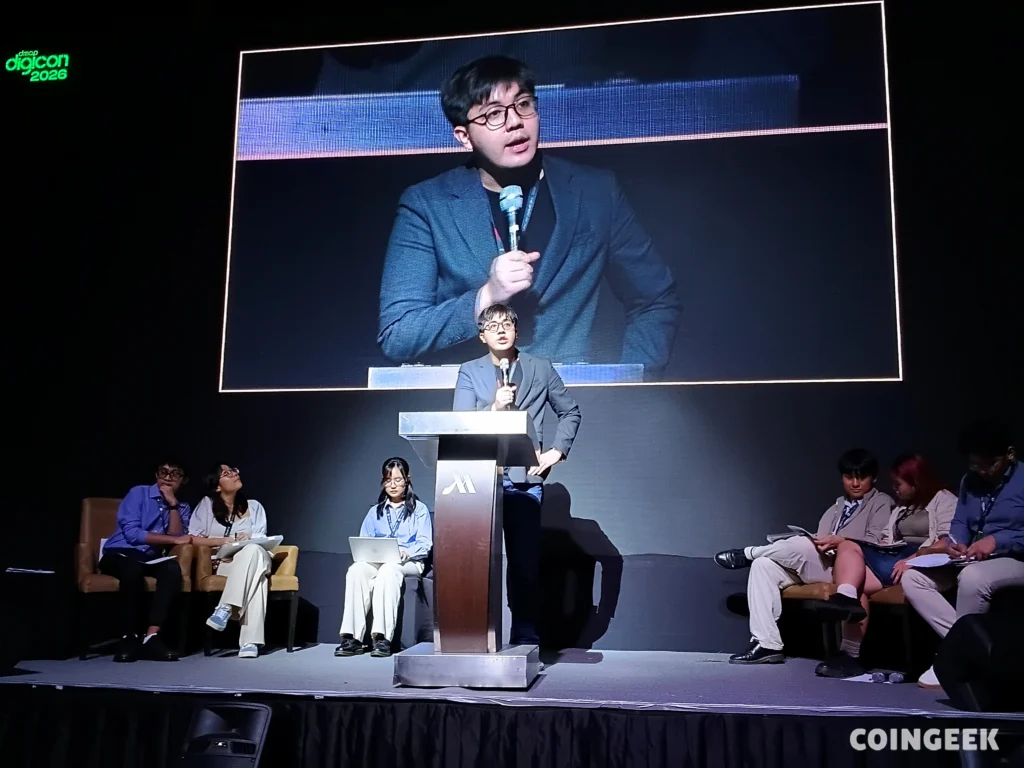
Ventura acknowledged that some people fear AI, or fear that it is not living up to the hype, but he explained that current AI models have already substantially improved things.
“AI’s ability to actively collate information about sentiment, information about how people think, what people want, does actively allow [it] to learn how to market things far better. To think far better in ways that are faster than what people oftentimes are capable of,” he said.
UP Debate Society: This house believes humans will remain superior to AI
In response, the Opposition didn’t discourage the notion that AI technology is becoming more impressive. However, being impressive is not the same as surpassing humans, even in the marketing setting, they said.
In his statement, Leader of the Opposition Carasig argued that AI development is entering a period of diminishing returns. He explained that recent releases from OpenAI, Claude, and other major labs emphasize efficiency and lower costs rather than leaps in intelligence.
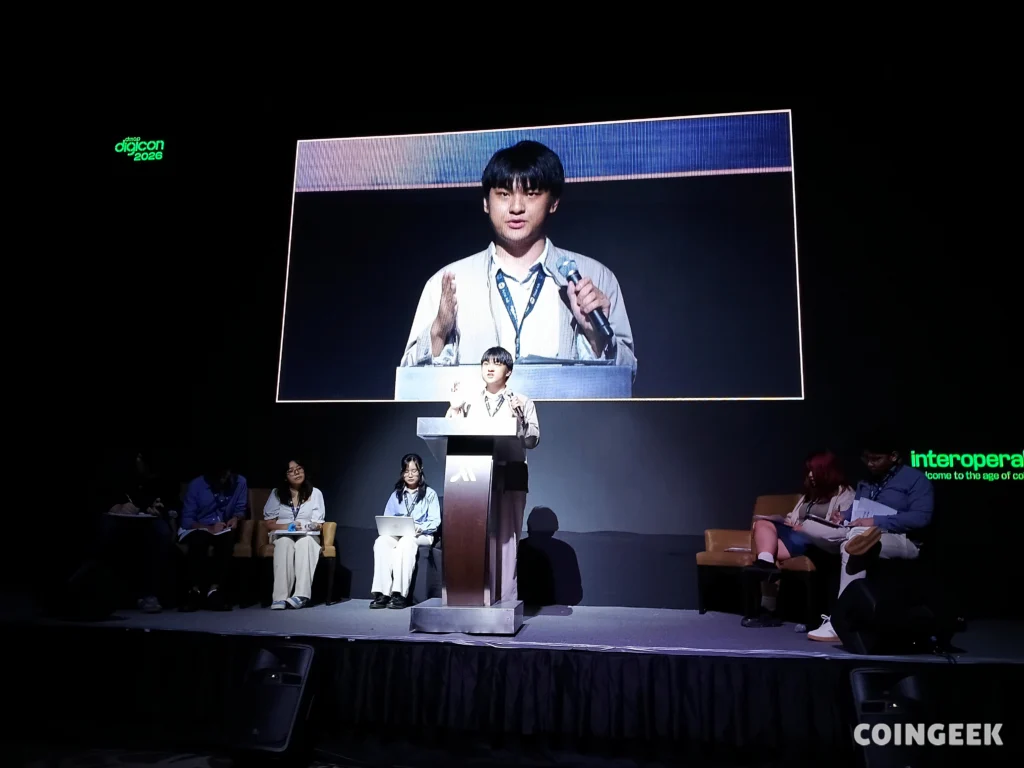
He added that AI training still depends on human-designed tests, and human judgment decides what counts as good output.
“Instead of becoming far smarter and better, in terms of analysis, [AI] has become far more efficient and far faster. I want to note that efficiency and being faster and quicker at your job doesn’t necessarily mean that [AI] is smarter and better at analysis,” Carasig said.
Also countering the Government’s claims, Deputy Leader of the Opposition Espiritu exclaimed that AI could integrate into human society only to the extent we allow it or deem it important. She added that behind the scenes, the AI market is shaky right now.
According to Espiritu’s research, Microsoft’s (NASDAQ: MSFT) AI revenue is reliant on actors like OpenAI, which she said is currently bleeding money. Supporting this claim, latest reports revealed that Microsoft recorded $24.1 billion in revenue from OpenAI during June 2026—the figure, according to Finance BigGo, dwarfs Microsoft’s previously stated AI sales benchmarks and reveals the company’s dependence on its close partner.
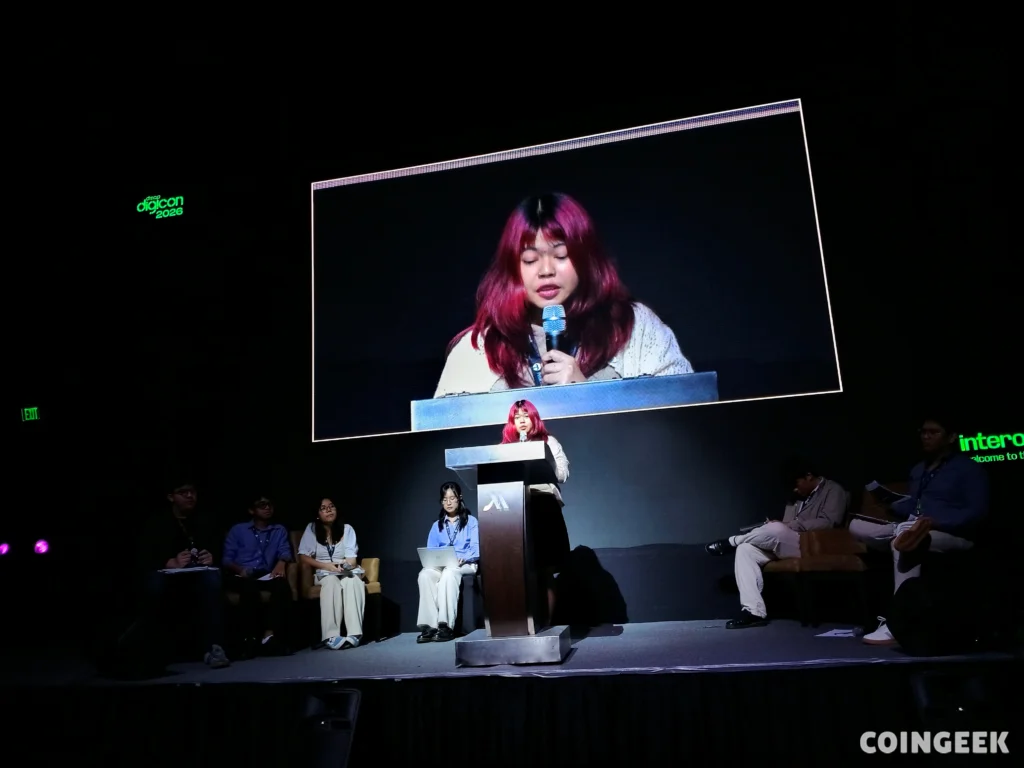
Touching again with culture as Ong did, Espiritu claimed that AI is just as smart or as capable as trends in the past and can only act on what human beings want.
Espiritu brings on a far more personal take on this, telling the audience of DigiCon 2026 that acting on past trends does not distinguish a good marketing campaign.
“Great marketing is not just selling what people know they want, or what they’ve shown that they already want from the past…it is enticing [people] to want the thing that you’ve already created in the first place,” Espiritu explained.
“If anything that they say about AI is true—that it will be faster, it will be more precise, it will store more knowledge than we will in our entire time—remember, that the idea that AI will surpass human beings is a comparative statement. They analyze it as if only AI will progress, but we human beings will also get better in time.”
In conclusion, Opposition Whip Mejos said that AI can’t make the same judgment calls that humans continuously make.
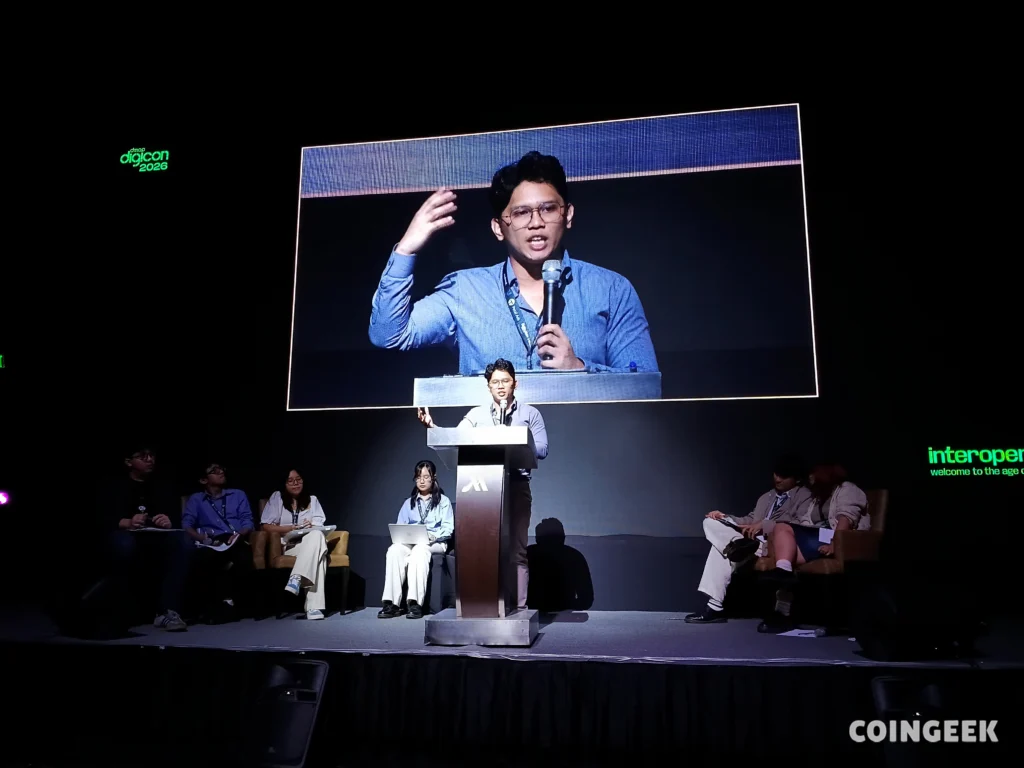
In marketing, for example, AI can scrape data, yes, but it can’t yet decide what kind of data to look for or how to convert that information into a campaign. “These are the decisions that will still require human sign-off and will therefore demonstrate that [AI] is not going to exceed human capacity,” he pointed out.
“Fundamentally, no matter how advanced an AI is, it will always be just a prediction model. It will take what the average sensible answer is, and it will take the most likely answer based on data that has happened in the past.” – Hugh Mejos, member of UP Debate Society
Closing out the Opposition’s final statements, Mejos reiterated their focal point—the final sign-off still comes from humans.
“At the end of this, what have we demonstrated? First, AI won’t actually reach the capacity for you to be able to say that it’s better than humans, even if it is improving. Second, even it does improve to a significant extent, [it] still not able to match the skills necessary for good marketing campaigns. And then lastly, even in the hypothetical world, the marketing world simply won’t buy into it. This is why we oppose,” he said.
What do these arguments leave us with?
Both sides of the debate were worth following. Ateneo argued that AI is already outperforming humans at a pace that will only accelerate. UP countered that being faster and more efficient than humans isn’t the same as being smarter and continuously reiterated that the final say still belongs to humans.
But beneath the disagreement—in facts and opinions—both teams shared one assumption: AI learns from humans.
Ateneo said that the human touch can be replicated and multiplied. UP said AI is a predictive tool built on what humans have already done in the past. Either way, the whole point is that what these Large Language Models know comes from human data, human judgment, and human choices.
That raises another question: If AI does surpass human intelligence one day, and humans are no longer in the loop, what will AI have learned from us?
Humans have produced both good and bad, cooperation and conflict, generosity and bias, great ideas and costly mistakes. A machine trained on all of these won’t just inherit our best side.
Building on this idea, the future of AI with full control may lead to chaos or peace, and the answer depends less on how smart AI becomes than on what we teach it and how we hold it accountable. As Espiritu said, this is a comparative race—humans will keep getting better, too.
FAQs:
Can AI surpass human intelligence?
Experts disagree. At DigiCon 2026, Ateneo debaters argued that AI already outperforms humans in tasks such as exams and business, while UP debaters said that faster isn’t smarter and that humans still set the benchmark.
How many jobs will AI replace by 2030?
Tenet projects 92 million jobs could be displaced by AI and other labor shifts by 2030. Separately, it found that 77,999 tech jobs were cut in the first half of 2025 because of AI adoption.
Who won the Ateneo vs UP AI debate at DigiCon 2026?
This coverage doesn’t name a winner. Ateneo argued AI already surpasses humans and will keep accelerating, while UP argued faster isn’t smarter and that final decisions still belong to humans.
Does AI learn from humans?
Yes. Both teams at DigiCon 2026 shared the assumption that large language models learn from human data, judgment, and choices. Ateneo said the human touch can be replicated, while UP said AI is a prediction tool built on past human behavior.
What makes good marketing, human or AI?
It depends on who you ask. At DigiCon 2026, Ateneo said good marketing is data, speed, and persuasion at scale. UP said it’s emotion, creativity, and authenticity, and that great campaigns make people want something new rather than repeating past trends.
In order for artificial intelligence (AI) to work right within the law and thrive in the face of growing challenges, it needs to integrate an enterprise blockchain system that ensures data input quality and ownership—allowing it to keep data safe while also guaranteeing the immutability of data. Check out CoinGeek’s coverage on this emerging tech to learn more why Enterprise blockchain will be the backbone of AI.
Watch: What Do People Actually Use AI For?