10-07-2026



|
Getting your Trinity Audio player ready...
|
TL;DR: At Gorriceta’s “Banking 2030” masterclass, panelists said artificial intelligence (AI), stablecoins, and fewer payment middlemen will reshape Philippine banking by 2030. With software easier to build, licenses, regulatory readiness, and trust matter most to investors, and customers will judge banks on speed, cost, and reliability.
Key Takeaways:
- At Gorriceta’s “Banking 2030” masterclass, experts said AI is accelerating financial technology development.
- Meridian’s William Haering expects vertical integration of payments to dominate the next decade, with more fintechs becoming banks.
- ADVANCE.AI’s “TRUE” framework says businesses attract capital through trust, regulatory readiness, unit economics, and an embedded data advantage.
- Continuous identity checks and cybersecurity remain essential as AI reshapes banking.
- By 2030, banking innovation will be measured by how quickly money moves, how much transactions cost, and how reliably financial services protect customers.
Sending money overseas can still mean waiting days and paying fees along the way. As banks and fintechs work to improve that experience, much of that work starts with the systems that move money from one account to another.
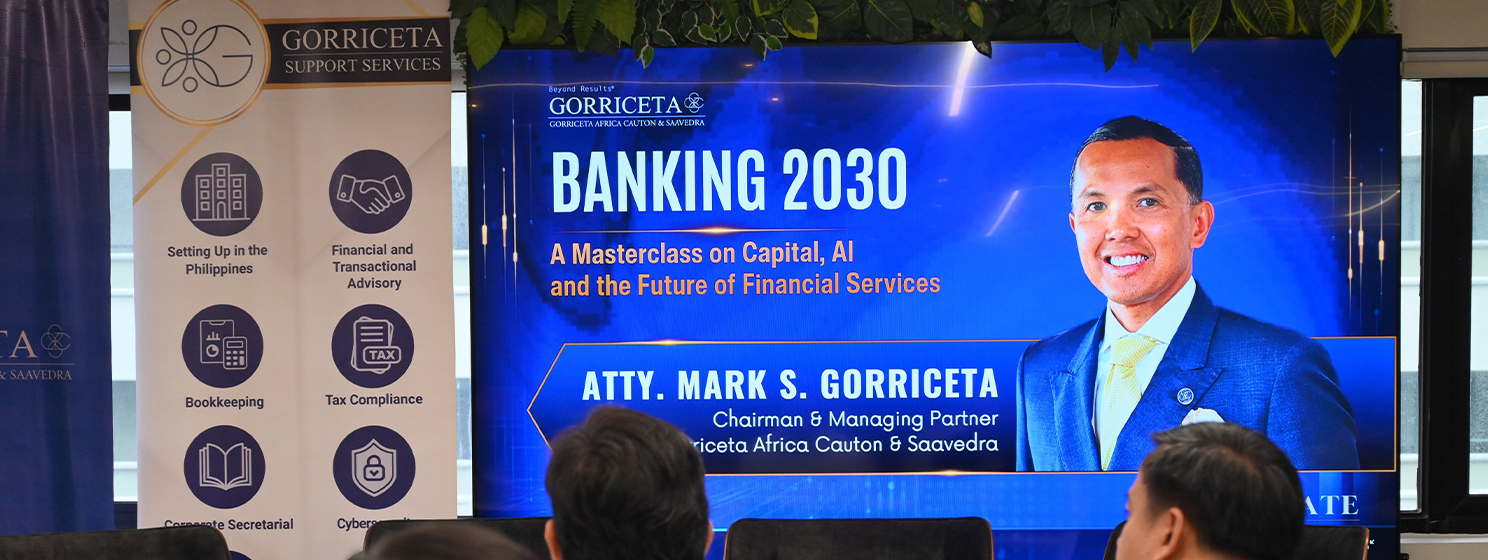
That was one of my strongest takeaways from Gorriceta’s “Banking 2030: A Masterclass on Capital, AI and the Future of Financial Services,” held September 30. Moderated by Kristine Torres, the panel explored what will attract investment and make banking better by 2030.
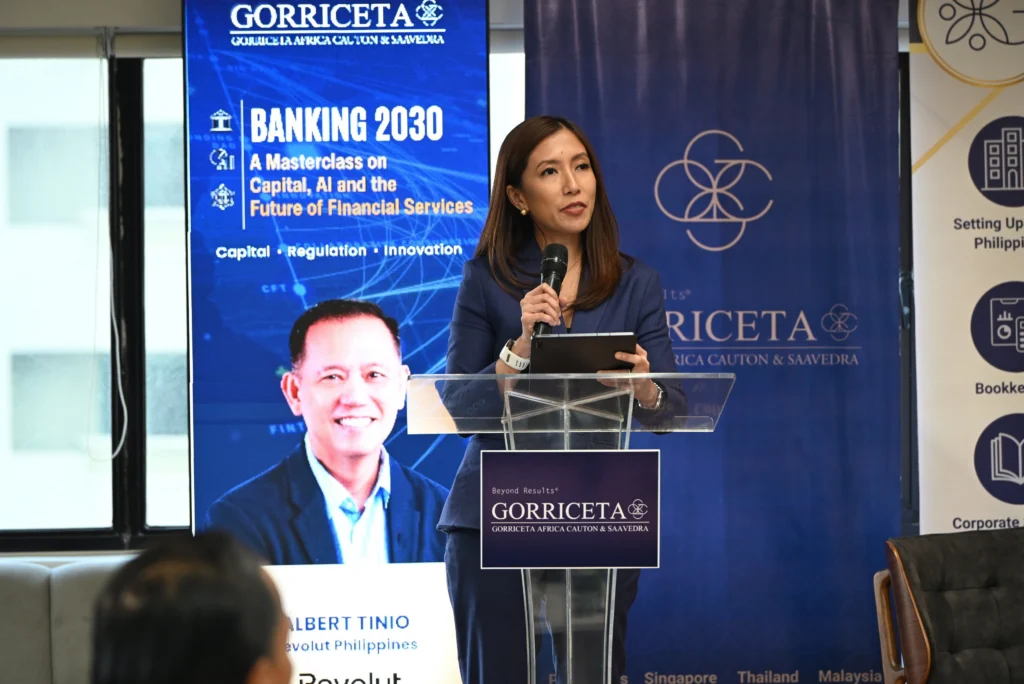
For Meridian CEO William Haering, AI is changing both how financial services are built and what makes a business valuable.
“You can build something that would take three years to build in three months now or three weeks,” he said.
He sees investment flowing into AI for wealth management, risk assessment, transaction monitoring, and customer identity checks. But when technology becomes easier to build, software alone becomes harder to sell as a unique advantage.
Licenses, relationships with regulators, experienced people, and trust become more valuable. Investors want businesses that can grow while meeting regulatory requirements.
“They want to see hard assets charters and licenses as value,” Haering said.
Michelle Anne Chan, ADVANCE.AI’s board director and country head, offered a framework for attracting capital: “TRUE” – trust, regulatory readiness, unit economics, and an embedded data advantage.
Simply put, a business needs to be trusted, prepared to comply with regulations, financially sustainable, and able to use data effectively.
EastWest’s head of strategic partnerships, Bryan Makasiar, also emphasized the importance of compliance. Meeting a bank’s requirements can help attract fintech partners and give customers confidence.
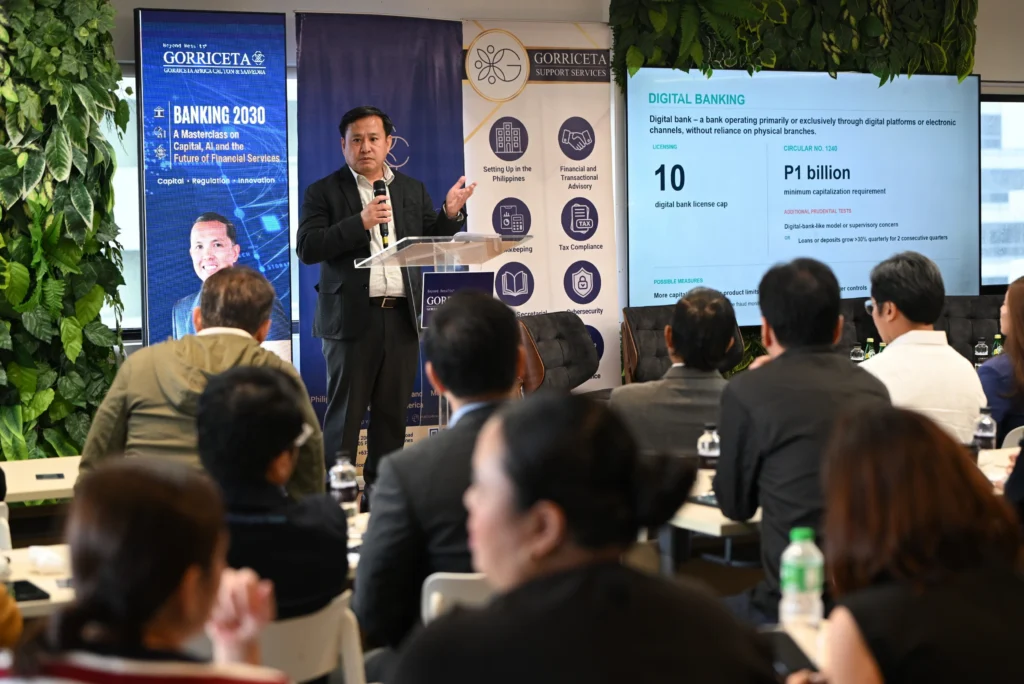
Haering sees the Philippines’ unresolved problems as an investment opportunity. The desire for better services, he said, makes the market receptive to new technologies and ways of doing things.
That is an opening for builders who can solve everyday problems.
“The world runs on pipes,” Haering said, describing the systems that allow financial services to function.
A customer might access banking through a shopping app, wallet, or payroll platform. Behind that experience, someone still needs to verify identities, hold funds, and move money.
Haering expects those underlying systems to change over the next decade, including the core systems banks use and how they incorporate AI.
For payments, he sees a move toward fewer middlemen.
“I think the next decade is going to be dominated by vertical integration of payment systems,” he said.
That means companies are handling more of the payment process themselves. Haering expects more fintechs to become banks, with investors more willing to fund banking licenses and financial institutions.

At Meridian, he said, reducing reliance on outside providers helps improve costs at each step.
Stablecoins and blockchain-based payments are also part of the shift.
“I think it’s exciting because payments are now interesting to banks again,” he said.
As real-time payment systems connect across countries, Haering expects overseas transfers to feel more like local payments. Digital financial services that simplify cross-border transfers could also raise customers’ expectations of their banks, while AI helps banks improve more quickly.
Makasiar said customers are already turning to other providers for cheaper, faster international payments. For him, banks can work with technology partners to offer those benefits, but those services must also be reliable when customers need them.
Speed also demands stronger protection.
Chan pointed to identity checks, cybersecurity, and better credit decisions, including the use of payment behavior to assess borrowers.
“EKYC is not just at the start of the journey of the customer,” she said.
Verification must continue behind the scenes as risks change, supported by industry collaboration.
AI and stablecoins are expected to reshape banking by 2030. For customers, the change will be measured by how quickly their money arrives, how much it costs to send, and whether they can trust it to arrive.

FAQs:
What was Gorriceta’s “Banking 2030” masterclass about?
Gorriceta’s “Banking 2030: A Masterclass on Capital, AI and the Future of Financial Services” explored investment opportunities, AI adoption, regulatory readiness, and the future of banking.
How will AI change banking by 2030?
Meridian CEO William Haering says AI lets teams build in weeks what once took years. Investment is flowing into wealth management, risk assessment, transaction monitoring, and identity checks. Licenses, regulator relationships, and trust become the lasting advantages.
What is the TRUE framework?
ADVANCE.AI’s Michelle Anne Chan proposed TRUE as a way to attract capital: trust, regulatory readiness, unit economics, and an embedded data advantage. In short, a business must be trusted, compliant, financially sustainable, and able to use data well.
How will overseas money transfers improve?
Fewer middlemen, real-time payment systems that connect across countries, and stablecoin-based payments could make international transfers faster and cheaper.
In order for artificial intelligence (AI) to work right within the law and thrive in the face of growing challenges, it needs to integrate an enterprise blockchain system that ensures data input quality and ownership—allowing it to keep data safe while also guaranteeing the immutability of data. Check out CoinGeek’s coverage on this emerging tech to learn more why Enterprise blockchain will be the backbone of AI.
Watch | Blockchain + AI: Unlocking Web3’s Future