04-06-2026




|
Getting your Trinity Audio player ready...
|
The technology already exists to hold user-friendly and verifiable digital elections. Though it may be a while before the public trusts blockchain enough to manage elections for high office, systems are aiming to prove their worth in smaller-scale surveys and opinion polls. Landing in app stores this week was Votari, useful for voting and polling at scale. It features verifiable-but-anonymous voter ID, permanent records, and a user-friendly interface.
Elections on-chain? It’s an obvious use case for those who understand how blockchain technology secures digital records. But voters in the world’s democracies are increasingly skeptical of systems where the voter isn’t physically present at a polling station, or anything involving new technologies. Existing efficiency techniques, ranging from mail-in physical ballots to electronic voting machines, have all been targets of fraud accusations.
To maintain faith in democracy (at least the electoral part), we need to do better than we’re doing at present. Even the existing system of in-person, physical ballot-marking is far from ideal. It’s slow, error-prone, and still leans heavily on trust in institutions and human behavior.
Blockchain has the fundamentals to fix much of this. Counting can be instant. Voters can be verified without revealing their identity. Blockchain is the digital “paper trail” that’s better than paper, with its distributed ledger processed by proof-of-work (PoW) networks.
First, it needs to gain the trust of the voting public. Platforms like Votari (and other existing ones, such as AnonSurvey) take the “start small” approach to this. They’re essentially opinion polls as you’d see in social media posts, but with infrastructure that’s rock-solid enough to elect a government.
After all, even the highest-level national election is basically an opinion poll at heart. The difference is that everyone is asked, and the results are consequential.
How Votari’s launch version works
Speaking to CoinGeek, Votari’s creator Rui da Silva explained the app’s approach:
“Votari was built around a simple idea: trust in elections shouldn’t come from institutions or platforms; it should come from proof. The goal isn’t to replace democracy with technology, but to make the process verifiable in a way that anyone can audit, while keeping voter privacy intact.”
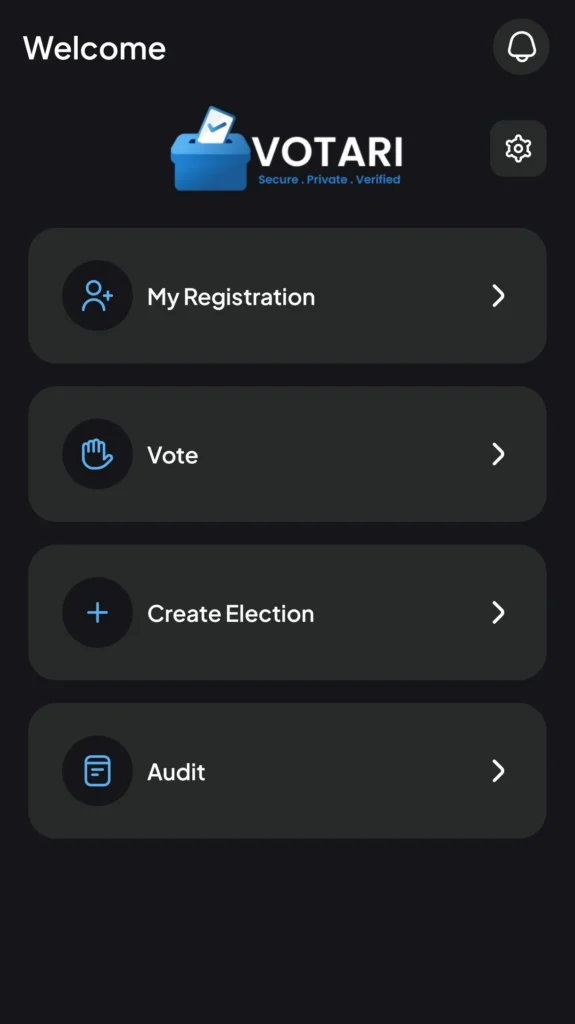
There are four main buttons on the app’s main screen: voter registration, vote in current polls, create your own poll, and audit past polls. Votari is using registration by passport as proof of ID, as it is the most robust, widely used, and universally accepted identity document available.
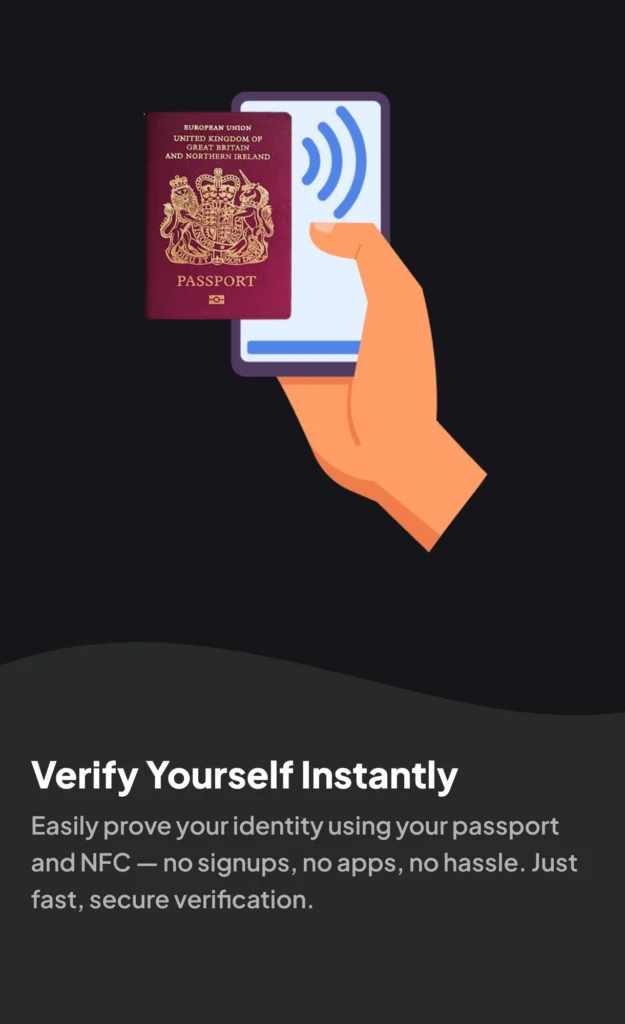
Yes, for now, you do need to scan a real passport to vote in Votari’s polls. However, this also highlights one of the app’s primary security/privacy features: the app verifies that a passport is genuine and belongs to a unique user, without sending any details from the document itself to a remote server. It’s important to ensure people are aware of this point, da Silva said.
“The soft launch is designed to exercise the strongest identity path first and surface real-world edge cases. Additional registration options will come later, but for where we’re positioning Votari, robust identity verification is foundational.”
This addresses two major concerns people have with digital voting. Any platform must ensure the results are fair and publicly auditable, but they must also keep the voter’s individual identity private. Each voter can prove what they voted for.
Users also need to take a selfie so facial recognition software can verify the passport is indeed their own. Likewise, this information remains local on each user’s device (similar to how most devices use fingerprint verification).
“The hardest part wasn’t building the voting interface,” da Silva added, “it was designing the system so private data never leaves the device while the outcome remains publicly verifiable. That constraint shaped almost every technical decision we made.”
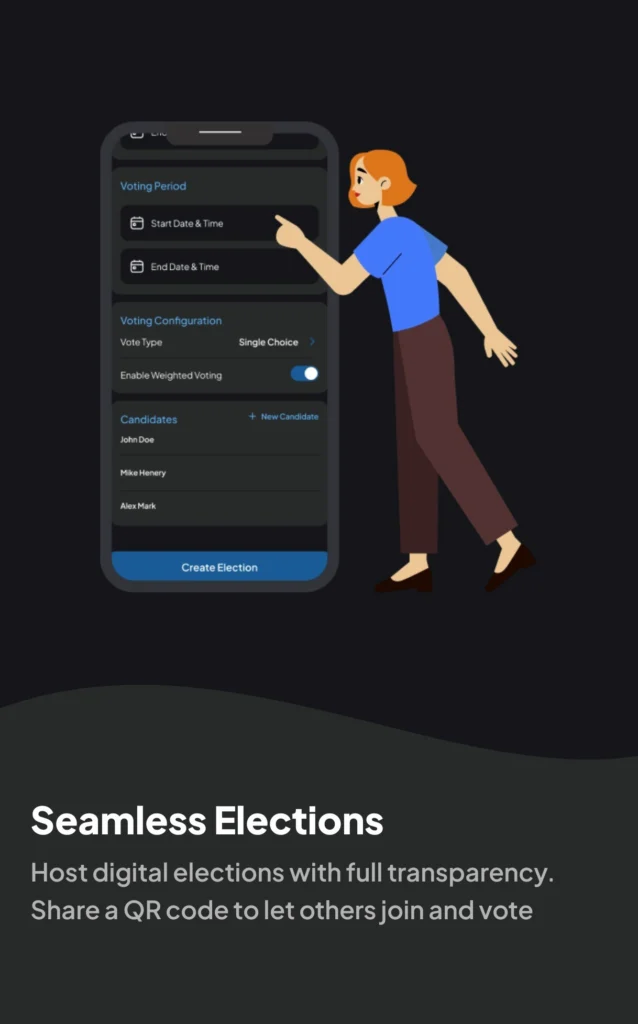
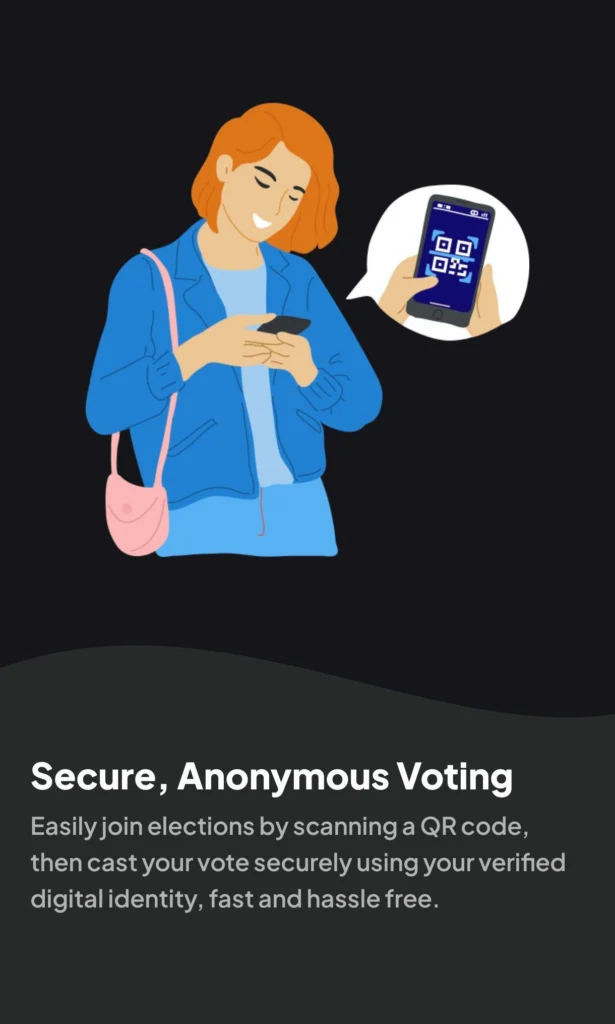
Now available to all mobile users on the iOS App Store and Google Play for Android, Votari is simple and intuitive to use. Its “soft launch” this week consists of several trial “elections” (or simple survey examples) that users can access by browsing Votari’s current list or by scanning a specific QR code published in its social media feeds. The polls are time-limited, so if one expires, a new one will be available soon.
Scalable blockchain is the best available solution to any large-scale app requiring this combination of security, privacy, and verifiability. It’s why the first proof of concept for blockchain was money. If people can trust blockchain with their money, they can trust it with their vote. We may not see national elections conducted on-chain in the immediate future, but demonstrations like Votari show at least how it’s possible.
Watch: How do you build a successful ecosystem? Bring blockchain to the builders!
Recommended for you