10-02-2026



|
Getting your Trinity Audio player ready...
|
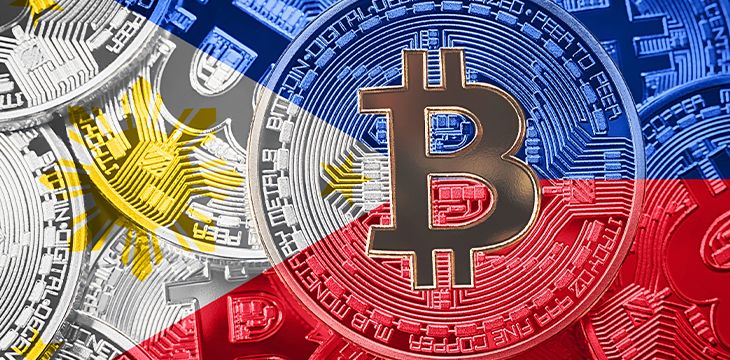
The Philippine central bank has assembled a committee to research the feasibility of central bank digital currency (CBDC) as well as its policy implications.
“We have to first look into the findings of the group before making any decision in this regard,” Bangko Sentral ng Pilipinas Governor Benjamin Diokno said. “I expect the EWG to submit their report next month.”
The CBDC announcement comes within the same week that the Philippine Bureau of the Treasury along with the Union Bank of the Philippines and the Philippine Digital Asset Exchange worked together to launch an app called Bonds.PH.
Bonds.PH is an app that uses blockchain to record the purchase of retail treasury bonds as well as reduce the need for manual verification in regards to conventional bond registry.
As you can see from the treasury bonds project and central bank’s digital currency research group, the Philippine government is looking at ways to use blockchain technology to improve the efficiency of several banking and finance-related operations.
“On cryptocurrencies, we do not see it significantly affecting the present demand for physical currencies,” Diokno said. “Cryptocurrency for us has always been beyond the asset itself, but more on the blockchain technology that underpins it. Blockchain continues to elicit interest around revolutionizing the delivery of financial services by providing an efficient, secure, and robust means of payment.”
The Philippines is the latest country to announce central bank digital currency research. However several governments around the world have expressed interest in launching a central bank digital currency to reduce costs and optimize efficiency when it comes to banking and finance. At the moment, China appears to be the country with a large economy to launch a central bank digital currency.
To learn more about central bank digital currencies and some of the design decisions that need to be considered when creating and launching it, read nChain’s CBDC playbook.