10-02-2026



|
Getting your Trinity Audio player ready...
|
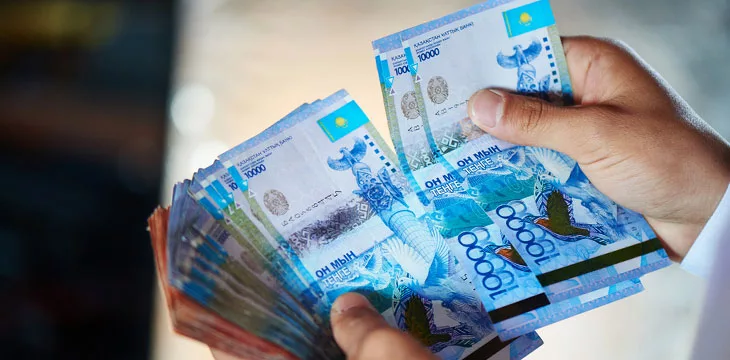
Kazakhstan has risen to prominence as one of the world’s largest block reward mining hubs, and as a new report reveals, the country is reaping the benefits. In 2022, the Central Asian country earned $7 million in taxes from miners.
At a time when some like China were booting out miners and others like Iran were denying them power, Kazakhstan welcomed the embattled industry. In a few months, it shot up to become the world’s third-largest mining hub after the U.S. and China. Data by the University of Cambridge shows the country contributes to 13% of the BTC hash rate.
In January 2022, the Kazakh government passed a new law that imposed taxes on miners depending on the electricity consumed. The taxes came as an alternative to the electricity price hike proposed by some government officials.
Since then, the government has raked in 3.07 billion tenges (approximately $7 million) from block reward miners, local media reports.
However, revenue has dipped this year. In the first four months, miners paid 240 million tenges ($541,000) in taxes, a significant dip from the 652 million tenges ($1.5 million) they settled in a similar period last year.
Kazakhstan is one of many governments that are demanding taxes from BTC miners. Most recently, the White House proposed a Digital Asset Mining Energy tax equaling 30% of miners’ total energy costs. While the new tax would add over $3.5 billion to the government’s purse within the next decade, it could likely push smaller miners out of business.
Individual U.S. states have taken different approaches to taxing miners. Last month, Arizona Governor Katie Hobbs vetoed a bill that would have exempted blockchain miners from taxes and fees. Arkansas, on the other hand, is seeking to protect miners from “discriminatory industry-specific taxes.”
CoinGeek Conversations with Kurt Wuckert Jr: Think of Bitcoin mining as financial self-discipline