10-14-2026



|
Getting your Trinity Audio player ready...
|
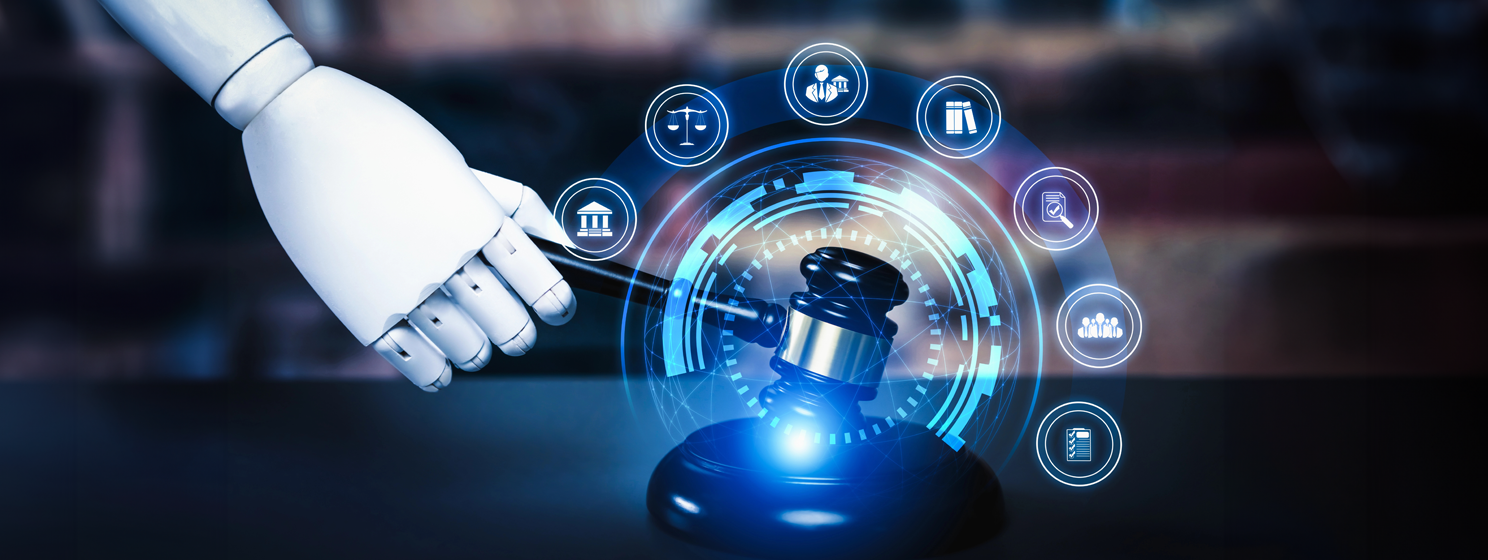
Paraguay is doubling down on its efforts to become South America’s Silicon Valley, with its latest initiative geared toward utilizing artificial intelligence (AI) in its justice system, placing renewed attention on the role of judicial training and the impact of new technologies in human-centered jobs.
The Supreme Court of Justice recently approved Resolution No. 12,677, establishing a framework for AI use in areas such as data processing, information management, and assisted decision-making within Paraguay’s judiciary.
This legal motion, developed with support from the United Nations Educational, Scientific, and Cultural Organization’s (UNESCO) Regional Office in Montevideo, focuses on improving transparency, upholding ethics, and ensuring respect for human rights, as authorities work to guarantee that new technologies are applied responsibly and effectively.
But integrating AI within the judicial system comes without controversy. Following the development of chatbots like ChatGPT and other AI models like Claude that improve workplace efficiency and automate tasks, there has been growing concern about AI taking over jobs.
Experts have since allayed people’s fears, claiming that AI will bring more opportunities to the labor market than ruin it, but were quick to point out the need for workers to upskill to be able to ride the wave of AI development. However, recent headlines tell a different story, with major companies laying off workers to invest more in AI than in growing their workforce.
With AI set to be used in judicial training in Paraguay, it may heighten fears of job displacement, even in human-centered jobs long thought to be the safest from AI’s workplace impact.
However, the Supreme Court assured that AI systems will only act as support mechanisms and will not replace human judgment in judicial decisions. It added that helping judicial staff become familiar with AI and its potential benefits and risks would help ensure the technology is used appropriately within court processes.Because of this, Paraguay’s Supreme Court has identified training as a critical element to equip legal professionals to maintain oversight while using AI to enhance efficiency and information handling. Apart from improving their AI literacy, the capacity-building process will also support the translation of international standards into practical applications within courts.
In terms of upholding public trust, the framework will mandate the disclosure of AI use, particularly in cases where rights or guarantees could be affected.
Paraguay’s new approach showcases how workforce preparation is becoming a central element in the adoption of AI within public institutions. As the country advances its implementation, the emphasis on training signals an effort to align technological innovation with human oversight in the justice system.
In order for artificial intelligence (AI) to work right within the law and thrive in the face of growing challenges, it needs to integrate an enterprise blockchain system that ensures data input quality and ownership—allowing it to keep data safe while also guaranteeing the immutability of data. Check out CoinGeek’s coverage on this emerging tech to learn more why Enterprise blockchain will be the backbone of AI.
Watch: The AI wave is here—are marketers ready?