10-19-2026



|
Getting your Trinity Audio player ready...
|
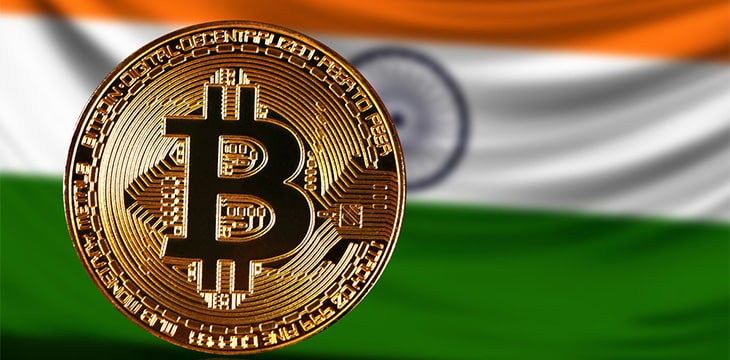
India has no plans to recognize Bitcoin as a currency any time soon, the country’s finance minister has confirmed. Speaking in the parliament, the government official said that the government does not collect Bitcoin transaction data, even as the country is reportedly working on Bitcoin taxation.
India has a checkered relationship with digital currencies, with the government sending mixed signals of late over the direction it would take with regulations. As CoinGeek reported recently, Prime Minister Narendra Modi chaired a meeting where top officials resolved to work on friendly regulations towards digital currency. This was followed by reports of plans to ban Bitcoin as a payment method but legalize it as an asset.
Now, Finance Minister Nirmala Sitharaman has laid to rest any hopes the Indian digital currency industry had about using digital assets for payment.
According to a local business newspaper Mint report, the finance minister addressed digital currencies in a session in parliament on Monday. Asked if the government had any plans to recognize Bitcoin as a currency, she responded with an emphatic, “No, sir.”
Elsewhere, the Reserve Bank of India (RBI) is said to be edging closer to launching its digital rupee. Business newspaper Economic Times reports that Lok Sabha, the lower house of the Indian parliament, was recently informed of the plans.
The RBI has also reportedly moved a proposal in parliament seeking to amend the Reserve Bank of India Act of 1934 to give the digital rupee legal validity and enhance its scope. China did the same a year ago, amending its central banking law to now state, “Renminbi includes both a physical form and a digital form.” This gave legal recognition to the digital yuan. Yet another amendment banned all other plausible competitors to its central bank digital currency.
While replying to the Lok Sabha’s concerns about the digital rupee, the Ministry of Finance described its purpose as providing “significant benefits, such as reduced dependency on cash, higher seigniorage due to lower transaction costs and reduced settlement risk.”
Watch: CoinGeek New York presentation, Increasing Footprints of BSV Blockchain in Middle East & South Asia.