04-12-2026




|
Getting your Trinity Audio player ready...
|
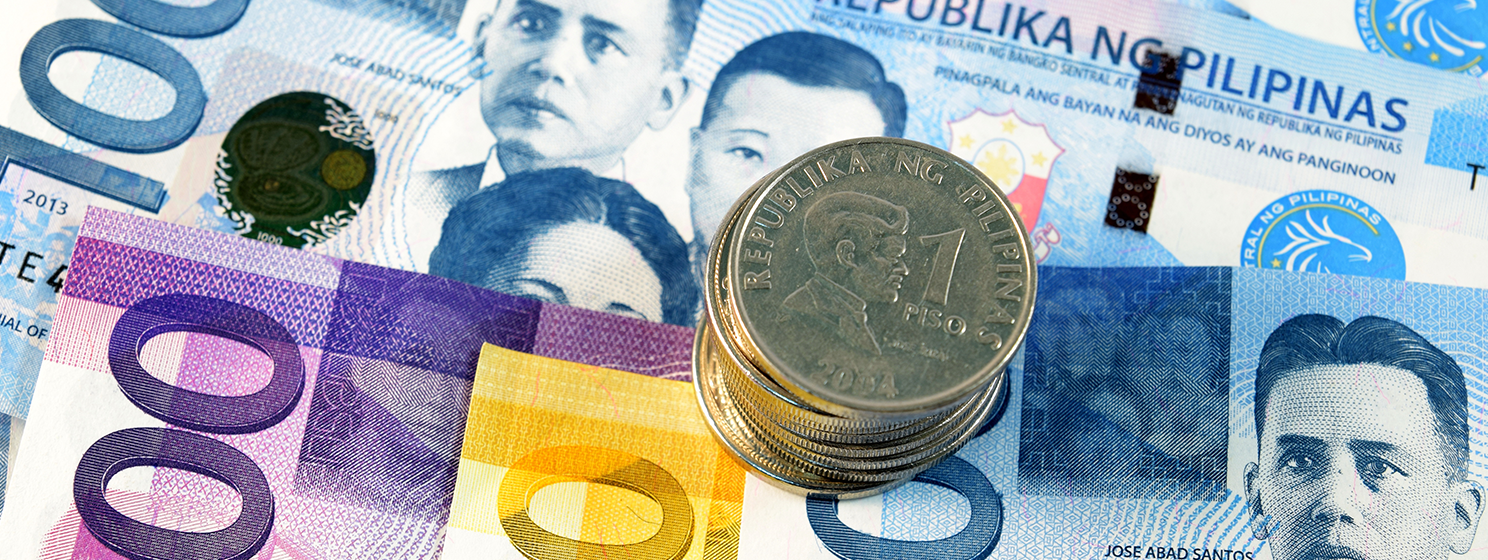
The Philippines’ central bank is discussing nationwide satellite internet connectivity with the Department of Information and Communications Technology (DICT) to enhance digital payments and financial education programs in the country, according to the Philippine News Agency.
“This will improve connectivity in underserved areas,” Bangkok Sentral ng Pilipinas (BSP) Deputy Governor Berna Puyat said at a briefing in Dumaguete City on February 2.
The internet connectivity plan was initiated in 2025 when Puyat announced that they had approached DICT Secretary Henry Aguda to request internet connections in more areas of the Philippines. This initiative aims to help Filipinos access the BSP E-learning Academy (BELA), an online financial education platform hosted by the BSP.
The educational platform has already attracted 24,000 unique users. Puyat mentioned that she has received concerns from individuals interested in trying BELA but are unable to do so due to internet connectivity issues. However, the BSP deputy governor noted that discussions with Aguda have been “fruitful.”
Puyat stated that the DICT chief not only addressed BELA but also emphasized the need to enhance internet connectivity across the country for the Paleng-QR PH initiative. This program promotes the use of QR code payments in wet markets and local transportation throughout the Philippines. Puyat revealed that they are currently compiling a list of areas that require improved internet access to ensure the effectiveness of the Paleng-QR program.
What we know about PalengQR PH and BELA so farIn 2024, the BSP hosted the 2024 Financial Education Stakeholders’ Congress to highlight the importance of digital technology in promoting financial literacy in the Philippines. A key feature of the event was the introduction of BELA. Although soft-launched in August 2025, BELA was fully available in 2025. The program aims to equip underserved groups, including students, teachers, and Overseas Filipino Workers (OFWs), with valuable financial skills.
Meanwhile, the Paleng-QR PH program is gaining momentum as a key driver of the Philippines’ shift to digital payments. The program was backed by President Ferdinand “Bongbong” Marcos Jr. in his 2024 State of the Nation Address. Jointly led by the BSP and the Department of the Interior and Local Government (DILG), Paleng-QR has been supported by around 180 local government units nationwide to date, helping expand digital payment adoption in the country.
Updates on Philippines digital economy
The Philippines has been a roadmaker in Southeast Asia’s digital economy. Just recently, the central bank announced plans to use its wholesale CBDC ;for government bonds. Meanwhile, House of Representatives Speaker Faustino “Bojie” Dy III revealed last year that Congress is shifting to a paperless system in 2026, securing legislative records and transactions on the blockchain.
Private firms like Coins.ph have been hosting events and collaborating with various firms to tokenize real-world assets and launch new cross-border payment initiatives using stablecoins.
Watch: eGov super app opens the best opportunities for Philippines
Recommended for you