09-29-2026



|
Getting your Trinity Audio player ready...
|
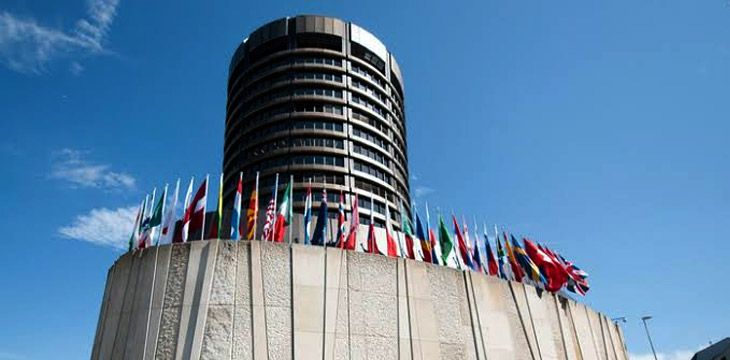
An international banking regulator has committed to studying the capital requirements for crypto assets. The Basel Committee on Banking Supervision revealed that it would look into how much capital banks should set aside to cover the risks that come from the holding of crypto assets.
The Committee is composed of banking regulators from 45 economies, including the United States, China, Germany, Japan, France, Russia, and India. Founded in 1974, it seeks to improve the quality of banking supervision globally.
The Committee has pledged to publish a comprehensive paper on the prudential treatment of cryptos assets, a report by Business Reporter revealed. After a two-day meeting in Madrid, it issued a statement, part of which stated, “In light of ongoing initiatives in crypto asset markets, the Committee will seek the views of stakeholders on a wide range of issues related to the prudential treatment of crypto assets.”
The Committee believes that banks globally must have a guideline on the amount of capital they require when dealing with crypto assets, especially given the risky nature of these assets.
“The Committee reiterated its view that the prudential treatment of banks’ crypto asset exposures should appropriately reflect the high degree of risk of crypto assets,” it stated.
The regulator also revealed that it would be studying the use of artificial intelligence and machine learning in the provision of financial services. It would also delve into the use of unregulated third parties for services, such as cloud computing providers.
This is the latest effort by regulators globally to bring digital currencies under their supervision, in recognition of the impact that they are having on the financial services industry. Recently, a U.S. lawmaker called on the country’s regulators to formulate and implement regulations for blockchain and cryptocurrencies. As CoinGeek reported, Congressman Warren Davidson believes that if the U.S. doesn’t come up with regulations quickly, it will lose its edge to other more welcoming jurisdictions including the U.K. and Switzerland.