10-10-2026



|
Getting your Trinity Audio player ready...
|
On October 19, the Philippines is set to see its first electronic notarial acts, marking the start of a new system that could change the way Filipinos get documents notarized.
- Philippines begins era of e-notarization
- Supreme Court accredits 3 e-notary platforms
- E-notarization gets legal nod, but not for all
- Easing business burden
- E-notarization faces a lawyer bottleneck
But what does that mean for ordinary Filipinos?
It could mean fewer trips to a notary’s office, fewer printed documents, and less time spent getting paperwork signed and sealed. With remote electronic notarization, eligible documents can be notarized electronically, with parties appearing before a notary through videoconferencing.
For businesses and government agencies, the implications could be even bigger: removing one of the remaining manual steps preventing transactions from becoming truly end-to-end digital.
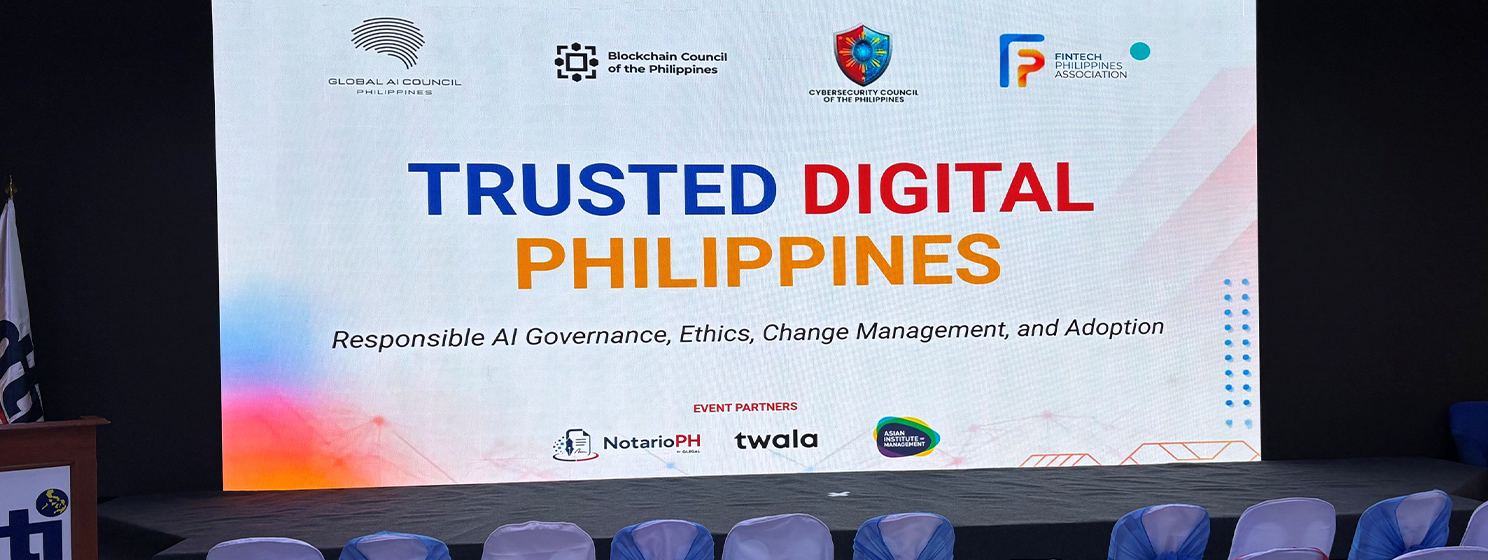
That transition and the role technologies such as blockchain could play in making digital documents secure and verifiable were among the issues discussed during the first joint session of the Global AI Council Philippines, Blockchain Council of the Philippines (BCP), Cybersecurity Council of the Philippines (CSCP), and Fintech Philippines Association (FinTech PH), held at the Department of Trade and Industry’s (DTI) AI and Scale-Up Center in Makati on September 9.
Speaking at the event, Department of Information and Communications Technology (DICT) Secretary Henry Aguda said electronic notarization could finally remove one of the remaining paper-based steps preventing truly end-to-end digital transactions.
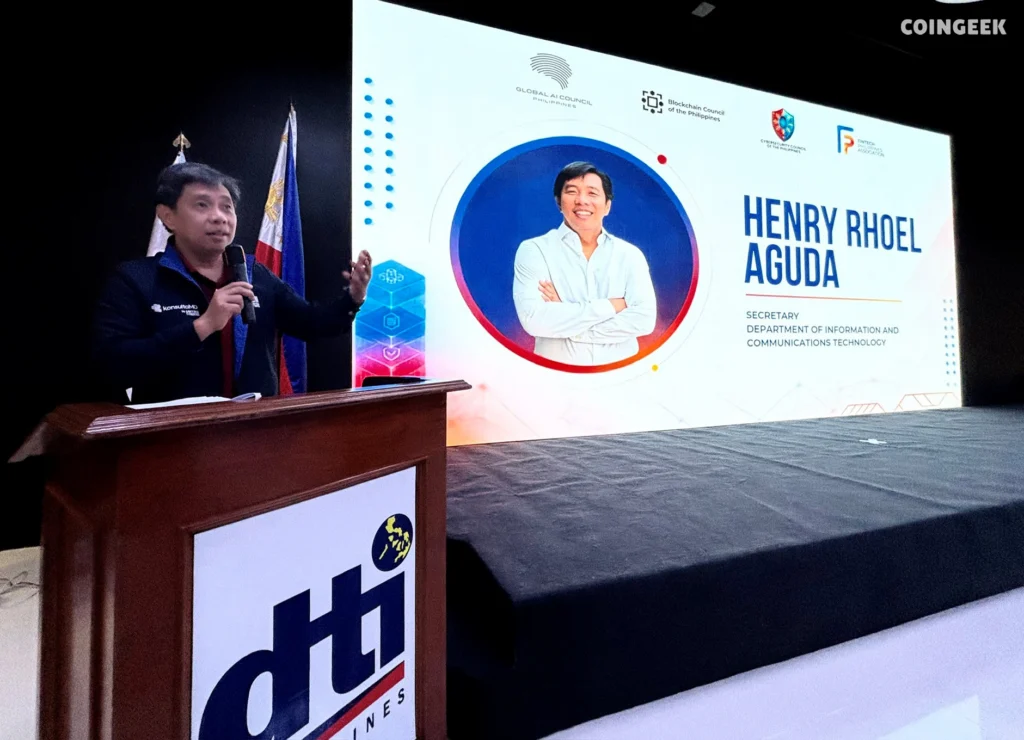
“First transaction is October 19th,” Aguda told attendees, adding that the DICT intends to be among the early government adopters of electronic notarization.
“E-notarization has been a struggle of mine since pandemic,” he said. “Then it went through several iterations, and now I think this is the one that we really need.”
Twala co-founder Atty. Third Bagro also pointed to the regional significance of the rollout, describing the Philippines’ fully remote model as a first in the Association of Southeast Asian Nations (ASEAN).
“This will be the 1st fully remote notary act in ASEAN,” Bagro said.
He compared the system with Singapore, where he said electronic notarization still requires an appearance before a notary.
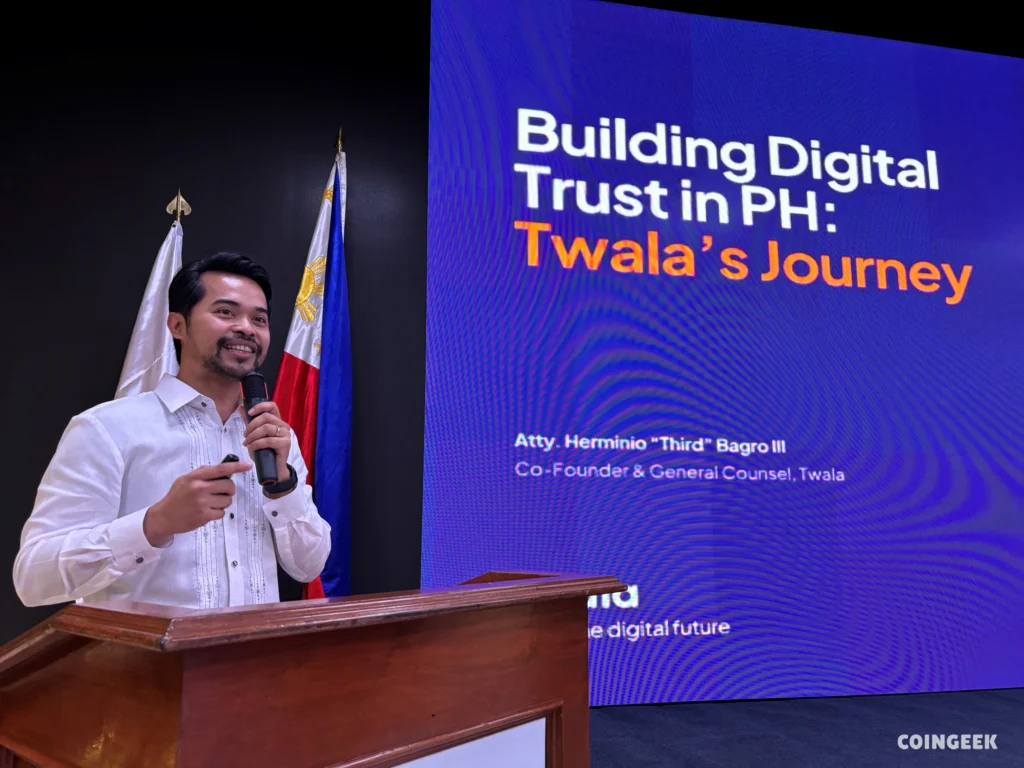
“In the Philippines, it is fully remote. So that’s historic.”
From the notary’s desk to a digital platform
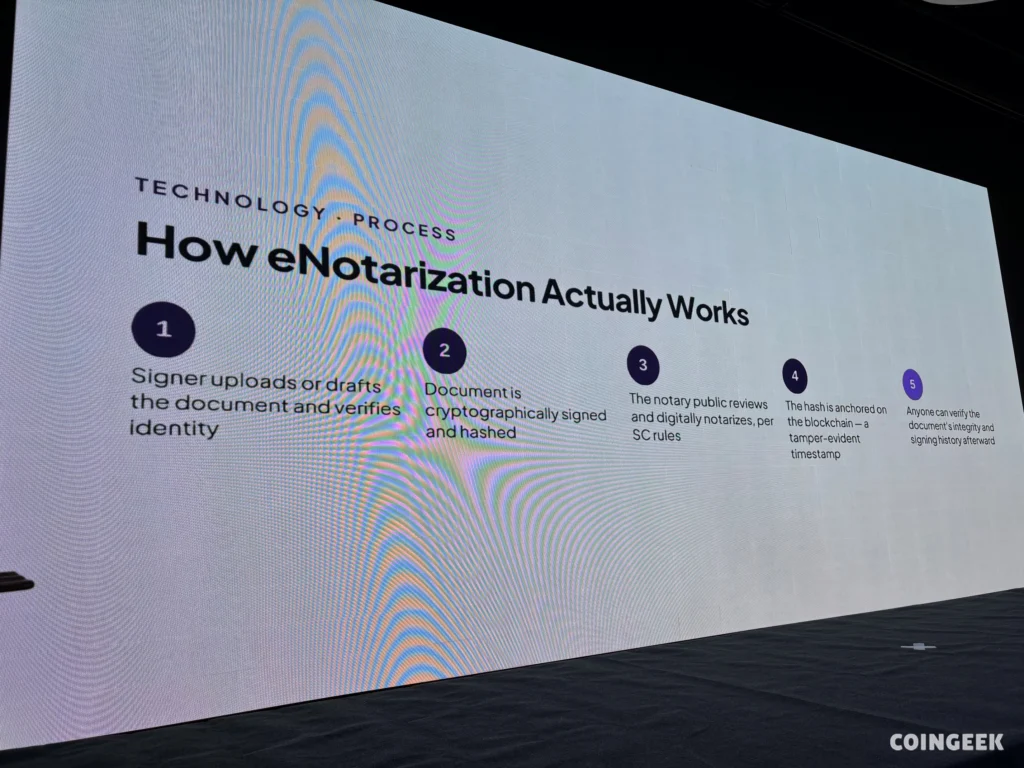
The Supreme Court approved its Rules on Electronic Notarization in February 2025, creating the legal framework under which electronic documents can be notarized through accredited Electronic Notarization Facilities, or ENFs.
Speakers at the event said that three ENFs have received Supreme Court accreditation. Twala and NotarioPH by QLegal presented their respective platforms during the session, while UNAWA has separately announced that its NotarizeIT platform has also received Supreme Court accreditation.
Under the system, an Electronic Notary Public can perform certain notarial acts electronically. The rules provide for both in-person and remote electronic notarization, in which parties appear before the notary via videoconference.
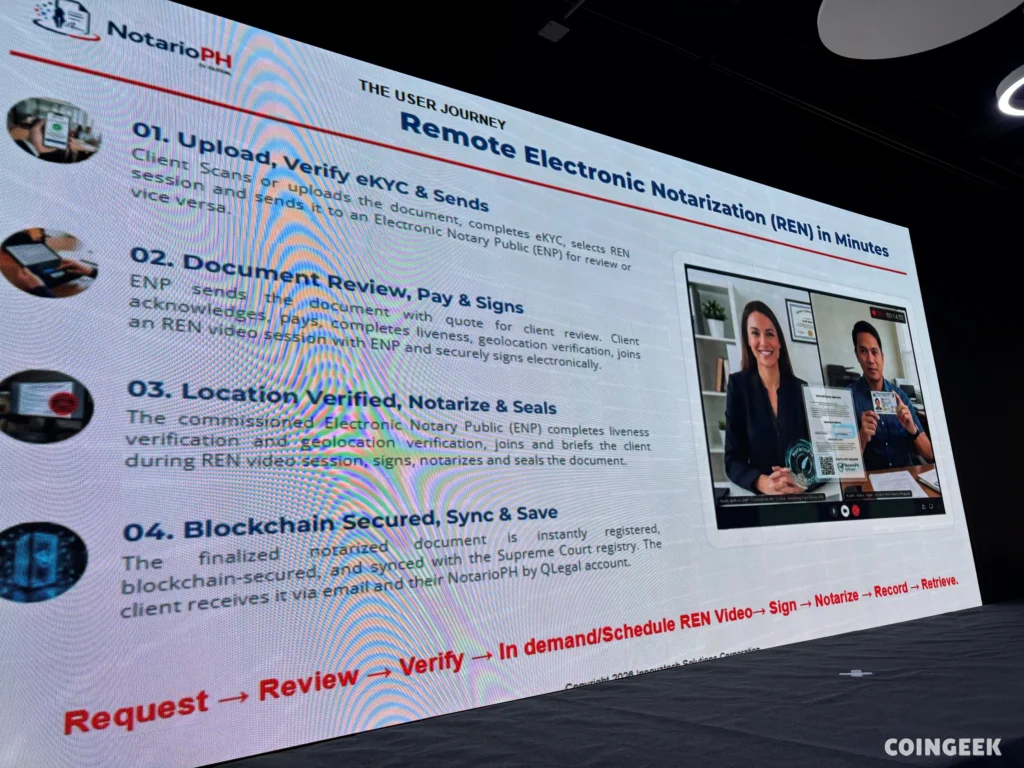
That means eligible transactions no longer necessarily require printing a document, signing it in ink, and physically appearing before a notary.
Identity verification, electronic signatures, document integrity checks, and electronic records instead become part of the digital process.
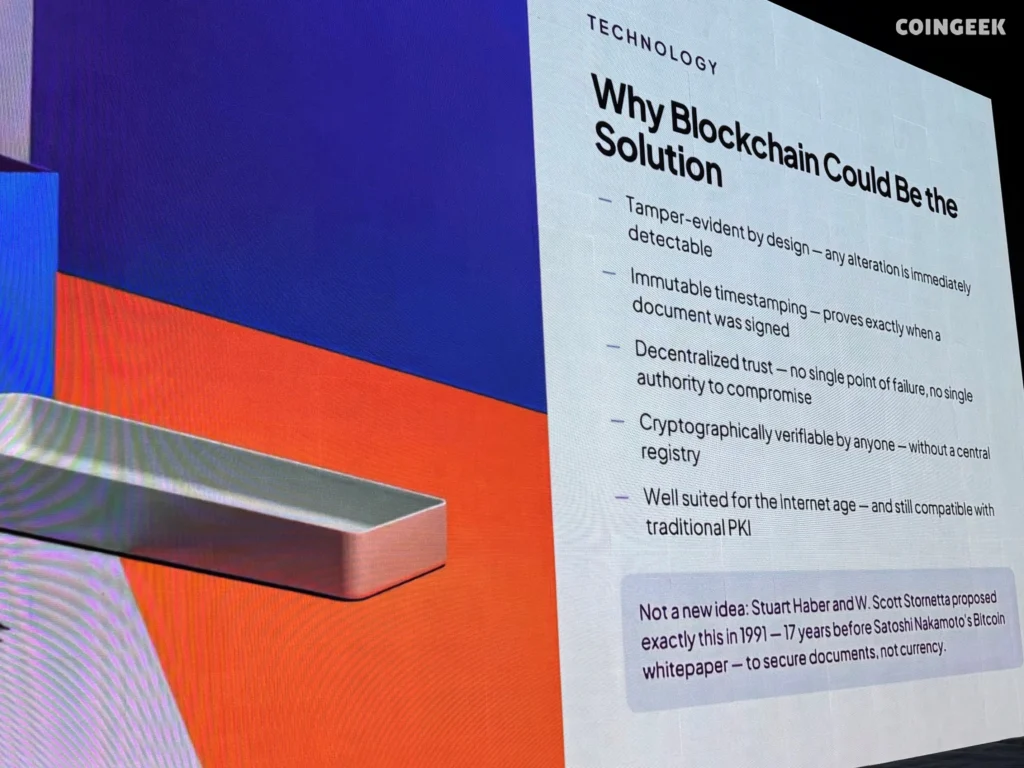
Blockchain is emerging as one of the technologies supporting electronic notarization in the Philippines. Two of the accredited providers, Twala and NotarioPH by QLegal, presented at the joint session and described using blockchain to create tamper-evident records and audit trails.
For example, a cryptographic representation, or hash of a document, can be anchored to a blockchain, providing a tamper-evident timestamp and audit trail without necessarily placing the document itself on-chain.
Bagro described the process this way: “The notary public reviews and digitally notarizes, then the hash is anchored on the blockchain, so you will have a time for every time stamp. Anyone can verify the documents integrity and sign history after a while.”
Not all electronic notarization should therefore be described simply as “blockchain notarization.” Blockchain is a technology that accredited providers may use as part of their security and verification architecture; the legal authority for electronic notarization comes from the Supreme Court’s rules.
Is it legal?
For businesses accustomed to paper documents, one of the biggest questions is this: Is an electronically notarized document legal?
Atty. Mark Gorriceta, a technology lawyer and one of the speakers at the session, was clear:
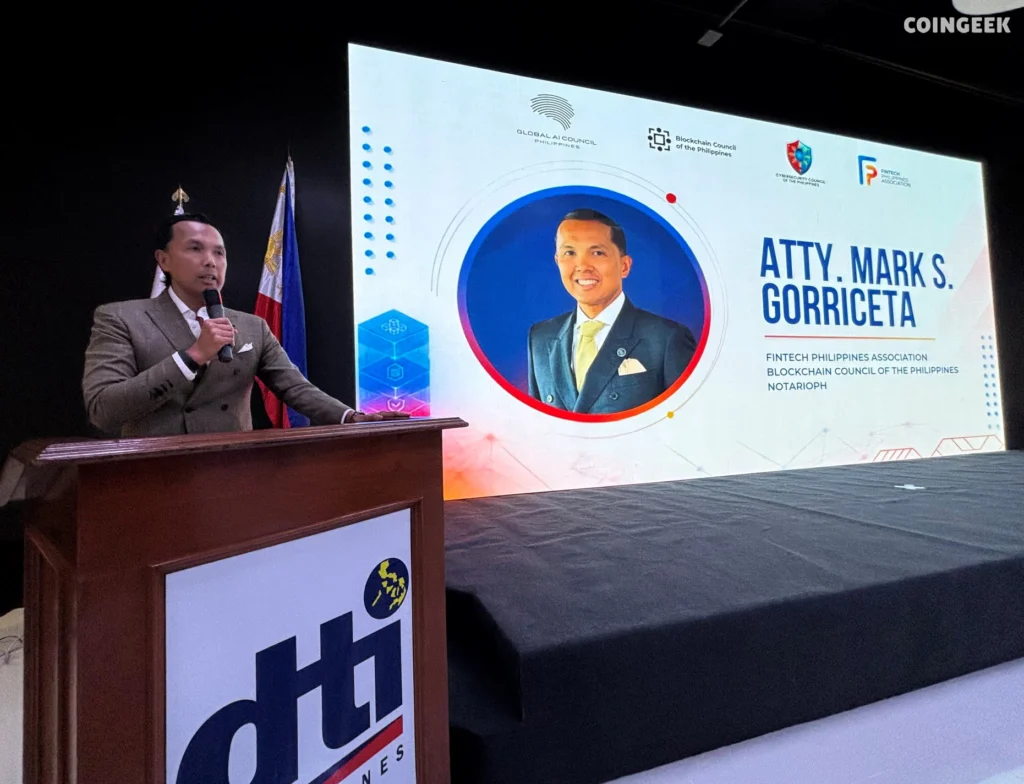
“You already have 3 ENFs accredited by no less than the most trusted government body in the Philippines, which is the supreme court of the Philippines, saying that this is legal, this is valid, this is accepted.”
The Supreme Court itself confirms that electronic notarization is a legally recognized alternative method of notarization under A.M. No. 24-10-14-SC. Traditional notarization remains available and continues to apply to paper documents with handwritten signatures.
There are also exceptions. Notarial wills and depositions, for example, are not covered by the electronic notarization rules.
Why it matters
The implications extend beyond convenience.
Electronic notarization could reduce the time and costs associated with transactions in banking, finance, fintech, real estate, insurance, and government, particularly for businesses handling large volumes of documents.
Remote electronic notarization could also make notarization accessible to people who cannot easily appear before a notary in person.

For Aguda, however, one of its biggest implications is what it could mean for government digitalization.
“As with banking sector and with anyone that requires notarized documentation, this is the one that throw a monkey wrench in the end to end automation of anything,” he said.
The DICT secretary said his department is working with the Anti-Red Tape Authority on a policy supporting broader adoption of electronic notarization in government.
And DICT itself intends to lead by example.
“We will be one of the 1st to adopt this fully,” Aguda said.
Lawyers can become electronic notaries
Making the technology available is only one part of the transition. The Philippines will also need lawyers commissioned to perform electronic notarial acts.
Electronic notarization can only be performed by a properly commissioned Electronic Notary Public, or ENP, using a Supreme Court-accredited Electronic Notarization Facility.
Applications for ENP commissioning opened through the Supreme Court’s eNotarization Portal on August 10, 2026. Applicants must meet the Court’s qualifications and submit requirements, including proof of good standing, MCLE compliance, and certification from an accredited ENF provider.
For Gorriceta, getting enough lawyers onto the system will be crucial to making electronic notarization practical at scale.
“The 1st step supposedly now is for a traditional notary public to be commissioned to be an electronic notary public,” he said.
The October 19 rollout marks another step in the Philippines’ digitalization journey, removing one of the paper-based processes that has kept government, banking, and business transactions from becoming end-to-end digital.
If adoption follows, the familiar trip to the notary’s desk for Filipino’s could become a thing of the past.
Watch | Philippine Blockchain Week 2026: What’s working now?