09-27-2026



|
Getting your Trinity Audio player ready...
|
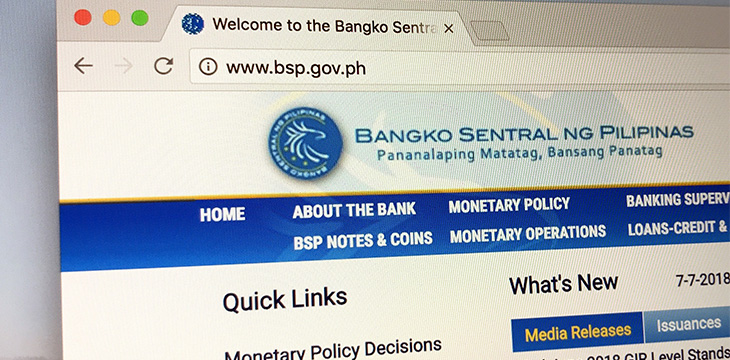
On June 17, the Bangko Sentral ng Pilipinas (BSP), the central bank of the Philippnies, announced that a new virtual currency exchange (VCE) was given licensure to operate within the country. This brings the total number of VCEs to 11 as the BitanMoneytech Co. Ltd. was the latest to be approved by the regulatory agency.
The other 10 that have been given permission to operate a virtual currency exchange service in the Philippines include Fyntegrate Inc., ZyBi Tech Inc., Betur Inc., Rebittance Inc., BloomSolutions, ETranss, Virtual Currency Philippines Inc., Bexpress Inc., CoinvillePhils. Inc., and ABA Global Phils. Inc.
According to the law, all VCEs are required to register with the BSP, as well as with the Anti-Money Laundering Council (AMLC). They are also required to submit regular reports regarding their overall finances and transactions.
According to the law, a virtual currency is any form of digital unit that uses a medium or platform for exchange where the value is stored electronically. It also requires an agreement within the “community of virtual currency users” according to the description in the regulation.
One important distinction that needs to be made is that while the BSP approves of the license for the exchange service, they are in no way endorsing it or the specific digital currencies it exchanges. Instead, they are doing nothing more than regulating these VCEs to ensure that payments and remittances are meeting the legal standards and regulations of the country. Plus, they are ensuring that the potential for money laundering and financing of terrorist activities is reduced if not eliminated.
“Since VCEs facilitate the conversion of VCs to fiat currency or vice-versa, they must comply with anti-money laundering/terrorist financing regulations, appropriately manage technology and operational risks, and ensure adequate consumer protection and customer support,” the agency explains in part of their mission statement.
The BSP has taken a proactive stance in informing citizens about the use of these currencies. This includes an official warning from the central bank explaining to citizens that they should only employ the services of regulated crypto exchanges.
This came just a week after the central bank had warned the public to be wary of cryptocurrencies altogether. Despite the fact that sales of cryptocurrencies have nearly doubled since this same point in 2018, the BSP has cautioned people within the country that they should be wise and do their homework before deciding to use any particular exchange service or purchase a particular asset.