10-16-2026



|
Getting your Trinity Audio player ready...
|
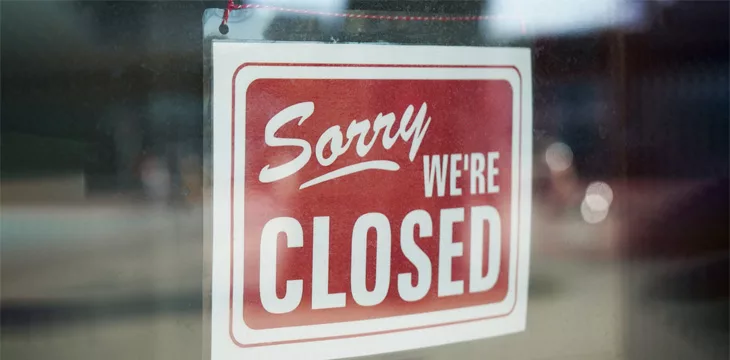
Lazerpay, a Nigerian digital assets payments startup, is shutting down after failing to attract investment.
Lazerpay founder Emmanuel Njoku announced the shutdown on Twitter recently, revealing that the company has been under financial constraints for months.
— njoku.base.eth 🙂 🌐 (@njokuScript) April 13, 2023
“Today, we announce the difficult decision to cease operations at Lazerpay. Despite our team’s tireless efforts to secure the necessary funding to keep Lazerpay going, we were unable to close a successful fundraising round,” Njoku, who founded the company as a teenager in 2021, announced.
“We fought hard to keep the lights on as long as possible, but unfortunately, we are now at a point where we need to shut down.”
The startup has been in financial distress for months now. In November, it announced layoffs, with Njoku revealing that it had slashed employee salaries for months and the founders hadn’t been taking salaries home.
The layoffs came just weeks after the collapse of FTX, but Njoku dismissed any links to SBF’s exchange. “Lazerpay didn’t hold any assets in FTX and, consequently, is unaffected,” he stated.
However, it later emerged that one of the startup’s biggest investors, African Web3 company Nestcoin, had millions trapped at FTX.
A report by local outlet Tech Cabal revealed that Lazerpay founders received a buyout offer from an existing investor. However, they deemed the offer unfavorable and decided to shut down. Before the shutdown, only two developers, the founders, and one more employee remained at the startup.
Lazerpay requires users to withdraw their funds within the next two weeks through the bank or digital asset option.
The startup claims to serve 3,000 businesses across the region. It allows users to make payments in diverse fiat currencies and for businesses to receive payments in stablecoins. In 2022, it announced that its users could deposit their digital assets into their bank accounts and withdraw as fiat.
Lazerpay is the latest African digital asset company to close in what has been a tough start to the year for the region’s crypto ecosystem. Recently, the P2P trading platform Paxful shut down, dealing a big blow to traders in Nigeria, Kenya, and South Africa, which were among its largest markets globally.
In February, Nigerian digital asset payments startup Fluidcoins was acquired by United Arab Emirates-based firm Blockfinex after it failed to raise new funding.
Watch: Micropayments are a big deal in Africa