07-01-2026



|
Getting your Trinity Audio player ready...
|
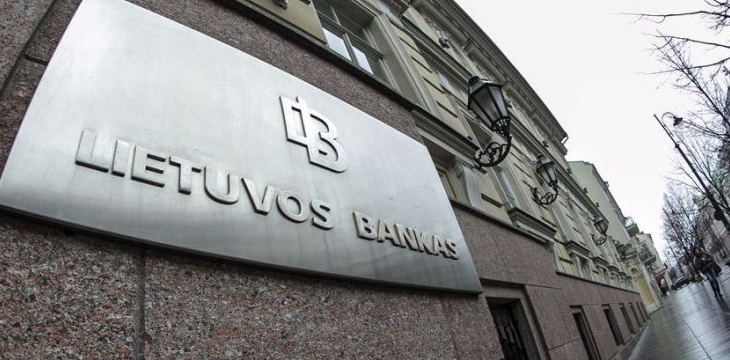
The Central Bank of Lithuania recently announced its updated position on digital assets and initial coin offerings (ICOs) according to the announcement on their website.
The governing board of the Bank of Lithuania has released a document that defines digital assets and their position in the market. The bank explained that the new changes are having taken into account the current market development and evolving regulatory regimes in other jurisdiction.
The document specifies how and on what terms financial market participants (FMPs) might establish investment funds for investment in virtual assets. The bank explains that the changes are aimed at providing FMP with a “level playing field” when it comes to cryptocurrencies. However, the bank has not made changes to its underlying principles, which require FMP to separate their financial services activities from those associated with Virtual currency. The policy still prevents FMP from receiving payments in cryptocurrencies, give out crypto credit or use digital assets as collateral. All payments should be made in fiat currency only.
However, the new document allows financial organizations to receive cryptocurrency payments processed by a third party platform that converts the amount to local fiat. In addition, when crypto-related services are provided, organizations should limit the movement of the virtual assets within the FMP, apply mitigating risk measures and apply for coverage within traditional assets.
The updated position by the bank also allows for registration of investment funds dealing with digital assets. However, these entities can only provide services to professional investors in the country. These companies need to comply with set regulations to operate in the state.
While answering questions, the Bank of Lithuanian stated that equity ICOs could be held through crowdfunding platforms. It added security tokens could be issued through this process. However, these offerings should be done in compliance with the respective EU directives. One such instruction is to indicate the other member states where the token will be released so that the bank can notify local authorities.
Last year in June, the Lithuania Ministry of Finance (MOF) published a guideline for ICOs and digital tokens. The guidelines covered various aspects including anti-money laundering and taxation.
Recommended for you