08-05-2026



|
Getting your Trinity Audio player ready...
|
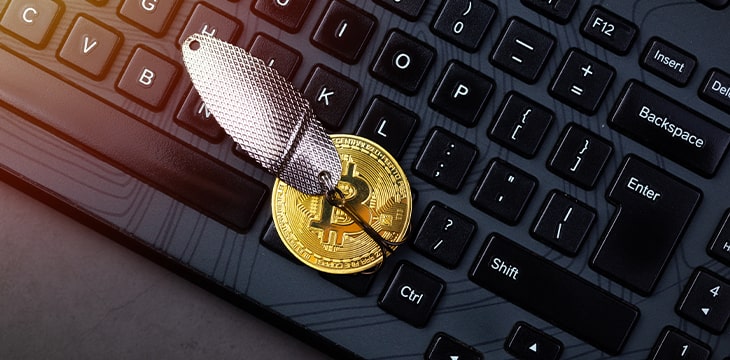
The South Korean government is out to strengthen its infrastructure to thwart the growing digital currency phishing activities in the country. With the rise in prices for most digital currencies, phishing activities have tripled this year according to local reports.
The South Korean ICT Ministry is leading the initiative, teaming up with the National Police Agency. As per a report by local outlet Yonhap, the ministry has noticed a rise in phishing attempts, especially through text messages. The scammers lure their victims to key in their credentials on fake websites and as soon as the targets fall for the trick, the scammers take over and wipe out the digital currency accounts.
In the past three months, the ministry had uncovered, and blocked, 32 such phishing sites. This is a rapid rise compared to the 41 such websites the ministry detected the whole of 2020.
According to the ministry, some of the phishing attempts are not complicated and prey on their victims’ lack of attention to detail. In one instance, the tricksters used the website www.bithnub.com, mirroring the popular exchange Bithumb, but still managed to lure in many unsuspecting victims.
In response to the rise of these phishing websites, the ICT Ministry is strengthening its 24-hour monitoring system to block them swiftly.
South Korea’s National Police Agency has been cracking down on these sites since the start of March this year, the outlet further revealed. As of last week, the police were investigating 21 cases in which fraudsters accessed their victims’ digital currency wallets and stole their funds. The police have also been investigating other crimes related to digital currencies, including money laundering.
The East Asian country, which has the third-largest economy in the region, has been one of the world’s biggest digital currency markets. The so-called Big Four exchanges—Korbit, Coinone, Bithumb and Upbit—are among the world’s largest.
The downside has been that with the rapid uptake of digital currencies, there has been a rise in related crimes. According to a report by the Financial Supervisory Service, digital currency-related fraud shot up 42% last year.
In one particular instance, a local exchange known as V Global has been accused of defrauding over 40,000 users of $214 million. According to local outlets, the CEO of the exchange, identified only as Lee, allegedly sold digital currencies using multi-level marketing methods. Sources with insider knowledge claim that Lee and the other co-conspirators promised the users hefty returns, in most instances, three times as big as their original investment. The users also stood to make passive income by introducing others. However, V Global turned out to be a scam that made off with the investors’ funds.
Recommended for you